AMD Plans to Bring FSR4 to Gaming Handhelds by Late 2026
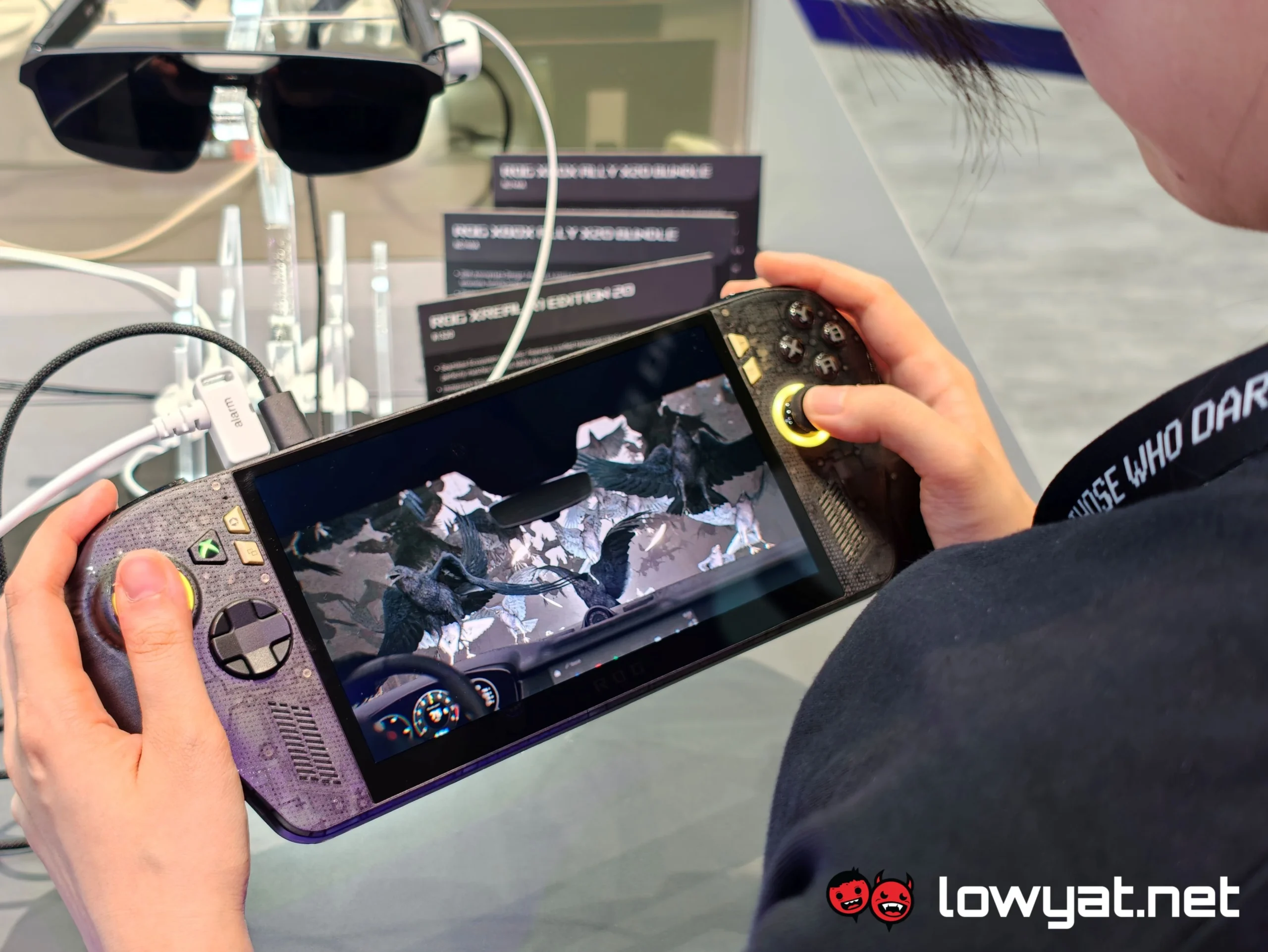
AMD FidelityFX Super Resolution 4 (FSR4) is a machine learning and artificial intelligence-based upscaling software technology developed by Advanced Micro Devices (AMD). Belonging to the graphics rendering and performance optimization category, FSR4 solves frame rate and graphical performance limitations by upscaling lower-resolution inputs into higher-resolution outputs. While initially limited to discrete desktop graphics cards, AMD is expanding FSR4 across its entire hardware portfolio—specifically targeting accelerated processing units (APUs), gaming laptops, and portable gaming handheld devices—by the end of 2026 to enhance portable gaming visual quality and smoothness.
Key Facts
Attribute Value
Technology Name FSR4 (FidelityFX Super Resolution 4)
Developer / Manufacturer AMD (Advanced Micro Devices)
Underlying Method Machine learning AI-based upscaling
Initial Announcement Date Computex 2025
Mobile & Handheld Deployment Target End of 2026
Initial Hardware Support RDNA4-based Radeon RX 9000 Series GPUs
Extended GPU Compatibility Radeon RX 7000 Series (RDNA3), older RDNA2 GPUs
Target Form Factors APUs, gaming laptops, and gaming handhelds
First Associated Laptop Platform ASUS TUF Gaming A14 (Ryzen AI MAX+ 392 APU)
Rumored Next-Gen APU Architecture Ryzen Z3 Series (Zen 6 CPU, 12 RDNA4m cores)
When Will AMD FSR4 Arrive on Gaming Handhelds and APUs?
AMD plans to deploy machine learning-driven FSR4 upscaling technology to gaming handheld devices, laptops, and APUs before the end of 2026. This target timeline moves the proprietary upscaling algorithm from desktop discrete graphics cards into power-constrained mobile architectures to improve frame delivery and gameplay smoothness across diverse portable gaming platforms.
The roadmap was confirmed during a meeting held in Seoul, South Korea, by Jack Huynh, AMD Senior Vice President and General Manager of the Computing and Graphics Group. According to reporting from South Korean news portal The Elec, AMD intends to introduce the technology across both legacy products and upcoming silicon.
“We will expand the machine learning AI-based FSR4 technology, which was first introduced to existing external graphics cards, to the entire product line including APUs, gaming laptops, and handheld devices by the end of this year,” adding, “We plan to respond in two directions: launching existing APUs and new product lines.” Jack Huynh, AMD Senior Vice President and General Manager of Computing and Graphics Group
South Korean portal The Elec interpreted Huynh’s statement as confirmation of newly developed APUs designed to complement FSR4. Rumors cited by Videocardz indicate this includes the upcoming Ryzen Z3 Series APU, which is reportedly engineered with AMD’s Zen 6 CPU architecture and 12 RDNA4m graphic compute cores. AMD confirmed that FSR4 machine learning upscaling will expand to its full product line of APUs, laptops, and handhelds before the end of 2026.
Which Graphics Architectures Support AMD FSR4?
AMD FSR4 originally launched on RDNA4 desktop architecture before expanding backward across multiple GPU generations. First introduced for Radeon RX 9000 Series graphics cards, AMD subsequently deployed FSR 4.1 support to RDNA3-based Radeon RX 7000 Series GPUs in June 2026, alongside confirmed planned integration for earlier RDNA2 graphics products.
The upscaling framework was officially revealed more than a year prior at Computex 2025. The decision to release FSR4 on older hardware generations occurred following vocal pushback from the Radeon gaming community, which requested access to the machine learning upscaler on earlier hardware architectures. AMD accommodated user demand by delivering FSR 4.1 to Radeon RX 7000 Series cards and committing to provide FSR4 support for legacy RDNA2 architectures as well.
Existing iterations of AMD FSR technology already operate on notebooks, APUs, and dedicated handhelds. Furthermore, the ASUS TUF Gaming A14 represents the first gaming notebook to incorporate AMD’s Ryzen AI MAX+ 392 APU, serving as an existing deployment baseline for AMD mobile processors ahead of broader FSR4 expansion. AMD expanded FSR4 compatibility from RDNA4-based Radeon RX 9000 GPUs to RDNA3 Radeon RX 7000 Series hardware in June 2026, with commitments for RDNA2 support.
Who Benefits From FSR4 on Portable Hardware?
FSR4 on portable hardware directly benefits owners of compact handheld consoles, ultrathin gaming laptops, and integrated APU devices where power and thermal constraints limit graphics output. Deploying machine learning-assisted reconstruction allows mobile hardware to achieve smoother visual performance without requiring the wattage overhead typical of dedicated desktop graphics setups.
Portable devices rely on efficient execution to maintain high refresh rates. Earlier iterations of AMD FSR demonstrated that integrating upscaling software on handheld equipment creates a smoother, more enjoyable handheld gaming experience. Bringing FSR4 to portable chips optimizes resource-constrained gaming across products like the ASUS TUF Gaming A14 laptop and upcoming Ryzen Z3 handhelds.
Portable gaming devices and laptop APUs benefit from FSR4 by using machine learning upscaling to deliver smoother gameplay experiences within strict thermal boundaries.
Common Questions
When was AMD FSR4 first announced?
AMD first announced its fourth-generation FidelityFX Super Resolution technology during Computex 2025, initially introducing the machine learning upscaling algorithm exclusively for RDNA4-based Radeon RX 9000 Series discrete desktop graphics cards.
What hardware specifications are rumored for the AMD Ryzen Z3 series?
Rumors report that AMD’s next-generation Ryzen Z3 Series handheld processor will incorporate the company’s Zen 6 CPU microarchitecture combined with 12 RDNA4m graphics compute cores to support mobile gaming workloads.
Is AMD FSR software already running on gaming handhelds?
Yes, previous generations of AMD FSR upscaling software are currently operational across gaming handhelds, laptops, and APUs, providing enhanced performance smoothness prior to the dedicated arrival of FSR4.
Sources and Methodology
This article synthesizes primary statements and reporting from The Elec, Videocardz, PC Gamer, and Lowyat.NET. Statements by AMD executive Jack Huynh were delivered in Seoul, South Korea, and translated from Korean media reports. No speculative figures were added beyond published hardware rumors and executive confirmations. This article was last updated on October 8, 2026.
Track Malaysian Import Prices Live
Importing Japanese or Asian physical games to Malaysia? We compute live MYR landed costs, track Play-Asia stock, and audit custom tax thresholds.