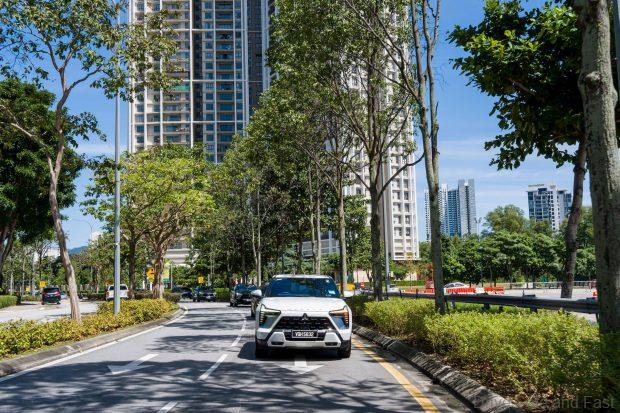
Malaysian Fuel Prices April 30-May 6, RON95 Up to RM3.97

ROCKSTARmedia Editorial
Malaysian automotive journalism
Malaysian Fuel Prices April 30–May 6: RON95 Up to RM3.97, RON97 RM4.90, Diesel Stays Flat
The weekly fuel ceiling rates for the final stretch of April through early May 2026 bring mixed news for Malaysian motorists who rely on petrol and diesel to navigate bustling city centres and interstate highways. Get the latest Local News on Malaysian Fuel Prices for April 30-May 6. RON95 up 10 sen to RM3.97, RON97 RM4.90 diesel stays flat. View the full rates now. With RON95 rising by ten sen to RM3.97 per litre and RON97 climbing to RM4.90 per litre, household transport budgets will see a modest squeeze, while commercial drivers benefit from unchanged diesel rates. Whether you manage a fleet of delivery vans across Selangor or drive a compact hatchback along the LDP daily, these adjustments warrant immediate attention to keep your ringgit stretching further during peak traffic periods and tropical downpours alike.
Breakdown of the Latest Petrol and Diesel Rates
RON95 and RON97 Price Adjustments
Beginning midnight on 30 April, motorists filling up with RON95 will pay RM3.97 for every litre, a ten sen increment from the previous week. The adjustment affects the majority of passenger vehicles on Malaysian roads, from the ever-popular Perodua Myvi to family-sized Proton X70 SUVs. Meanwhile, RON97, which floats closer to market rates for high-compression engines, rises to RM4.90 per litre. The wide divergence between the two grades reinforces the government’s two-tier pricing approach that shields general consumers from full global crude volatility while requiring wealthier vehicle owners to absorb a less subsidised rate.
Diesel Holds Steady for Commercial and Private Users
In contrast to the petrol adjustments, diesel prices remain unchanged for the week commencing 30 April. This stability offers welcome relief to logistics operators, bus companies, and fishermen who depend heavily on diesel-powered machinery to maintain supply chains across the nation. With diesel forming the backbone of goods transportation from Johor Bahru to Padang Besar, a frozen rate helps cap inflationary pressure on everyday essentials ranging from packet rice to fresh produce in local wet markets. Owners of modern diesel passenger vehicles, such as the Ford Ranger or Mazda BT-50, will also appreciate the predictability when budgeting for long-distance journeys to East Coast destinations like Kuala Terengganu and Kota Bharu.
What These Fuel Costs Mean for Everyday Malaysians
Urban Commuting and Ride-Hailing Realities
For thousands of professionals commuting between Petaling Jaya, Cheras, and the Kuala Lumpur central business district, the RON95 increase translates to roughly five ringgit more per full tank on a typical forty-litre economy car. Over a month, cumulative costs can exceed twenty ringgit, enough to cover several toll plazas along the PLUS highway. Ride-hailing drivers operating under Grab or inDrive face a sharper pinch, since fuel represents their largest variable expense alongside vehicle maintenance in tropical heat that accelerates engine wear. Many will factor this incremental rise into trip selection or route planning to avoid dead-heading through congested corridors during afternoon thunderstorms.
Maximising Fuel Efficiency in Tropical Conditions
Malaysia’s equatorial climate presents unique challenges that can silently erode kilometres per litre if left unaddressed. High ambient temperatures force air-conditioning systems to work harder, increasing engine load during stop-and-go traffic around Bangsar or Damansara. Underinflated tyres create additional rolling resistance that drags consumption upward by as much as three per cent. Motorists are advised to service air filters regularly, remove unnecessary boot weight before balik kampung journeys, and adhere to scheduled oil changes using manufacturer-recommended grades. Simple habits such as anticipating traffic light sequences and avoiding aggressive acceleration from toll booths can recover much of the extra cost now baked into every litre of RON95.
Pre-Journey Efficiency Checklist
- Inspect tyre pressure every seven days, because underinflation adds rolling resistance on hot asphalt common in Kuala Lumpur and Johor Bahru.
- Remove heavy items from the boot to reduce engine load during city crawls and uphill climbs toward Genting Highlands.
- Replace clogged air filters and aged spark plugs according to your service manual to restore optimal combustion.
- Stick to manufacturer-recommended engine oil grades that suit tropical heat rather than generic alternatives.
- Register for fuel loyalty programmes such as Petronas Mesra, Shell BonusLink, or Caltex Go+ Rewards to reclaim a portion of every litre purchased.
Operators managing delivery routes between Shah Alam and Port Klang should consolidate dispatches into fewer trips during off-peak hours, thereby lowering total kilometres travelled and reducing exposure to peak-period consumption spikes. Combining errands into a single circuit rather than multiple short journeys can improve real-world fuel economy by up to fifteen per cent in dense urban environments.
The Mechanics Behind Malaysia’s Weekly Fuel Price Reviews
Automatic Price Mechanism and Global Benchmarks
Malaysia employs an Automatic Price Mechanism referencing the Mean of Platts Singapore, known as MOPS, alongside foreign exchange fluctuations to determine domestic ceiling rates each Wednesday. When the ringgit weakens against the United States dollar or refining margins tighten, the formula translates those signals into pump movements. The ten sen lift in RON95 suggests either firmer crude benchmarks or slight local currency depreciation. Because the government maintains subsidies for RON95 and standard diesel, any increase beyond the ceiling is absorbed by the national treasury, protecting lower and middle-income households from volatile energy markets.
RON97 as a Market-Oriented Reference Point
RON97 operates on a different philosophy. Although announced weekly, its price approximates the true cost of petrol without the full subsidy blanket afforded to RON95. By lifting RON97 to RM4.90 per litre, policymakers signal the unsubsidised market rate, creating a financial nudge for drivers of larger displacement vehicles to bear a greater share of the energy burden. This differential also deters cross-border smuggling, since subsidised RON95 retains a significant discount compared with pump prices in neighbouring countries.
Actionable Conclusion: Plan Ahead and Stay Informed
The fuel pricing landscape for 30 April through 6 May 2026 delivers a clear verdict: petrol users must accommodate higher expenses at the pump, while diesel consumers enjoy a brief respite from upward movement. RON95 crossing the RM3.90 threshold places renewed emphasis on disciplined vehicle maintenance and smarter route planning, particularly for those in Greater Kuala Lumpur where congestion already bleeds efficiency. Before heading out for Labour Day festivities, check your tyre pressure, clear your boot, and consider refuelling earlier in the week to lock in current rates. How will this week’s pricing affect your monthly transportation budget? Share your thoughts and tips in the comments below so fellow readers can learn how Malaysians are adapting to the latest pump rates.
Frequently Asked Questions
What is the official RON95 price from 30 April to 6 May 2026?
The ceiling price for RON95 petrol during this period is set at RM3.97 per litre, representing an increase of ten sen compared with the previous week.
How much does RON97 cost this week?
RON97 petrol is priced at RM4.90 per litre for the week beginning 30 April 2026, reflecting the unsubsidised market tier rate.
Will diesel prices change during this weekly cycle?
No, diesel prices remain unchanged for the duration of 30 April to 6 May 2026, offering stability for commercial operators and private diesel vehicle owners.
When exactly do new weekly fuel prices take effect in Malaysia?
The Ministry of Finance announces revised ceiling prices every Wednesday, and the new rates become effective at midnight on the same day for a consecutive seven-day period.
Where can motorists verify the latest official fuel price announcements?
Drivers can confirm the current weekly rates through the official Ministry of Finance portal, verified government social media channels, and major news outlets that publish the figures immediately following the Wednesday midnight release.