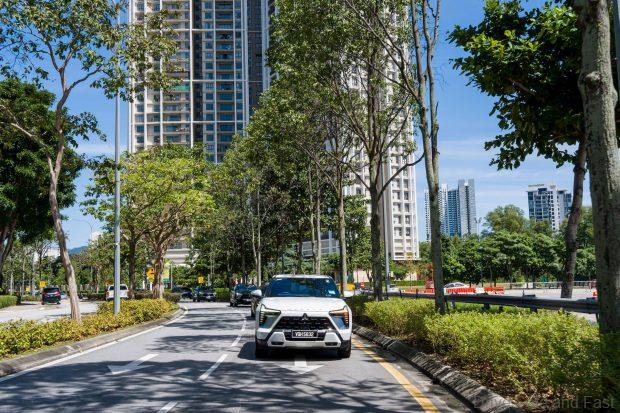
Volkswagen ID.3 Neo 2026 Offers 630km Range for RM180k

ROCKSTARmedia Editorial
Malaysian automotive journalism
The 2026 Volkswagen ID.3 Neo marks a pivotal evolution for the German brand as it seeks to regain its footing in the competitive global electric vehicle landscape. Discover the 2026 Volkswagen ID.3 Neo featuring an impressive 630km range and a price of RM 180,000. Check out the latest updates on this electric hatchback. This updated iteration is not merely a facelift but a comprehensive overhaul of the platform, addressing previous criticisms regarding interior quality and software stability. For the Malaysian market, where the appetite for premium compact EVs is growing, the ID.3 Neo arrives as a sophisticated alternative to the current dominance of Chinese-manufactured competitors, offering a blend of European driving dynamics and cutting-edge battery efficiency.
Redefining the Compact Electric Hatchback
Volkswagen has strategically renamed its updated flagship hatchback as the “Neo,” signalling a fresh start for the ID.3 lineage. The 2026 model introduces a more aggressive yet aerodynamically efficient exterior design. The front fascia has been reshaped to optimise airflow, which is a critical factor in achieving the advertised range. In a tropical climate like Malaysia, where air conditioning systems work overtime to combat high humidity and heat, aerodynamic efficiency helps offset the energy drain required to keep the cabin cool. The inclusion of the latest IQ.Light LED matrix headlights ensures superior visibility during heavy monsoon downpours or night drives along the North-South Expressway.
Enhanced Battery Technology and Performance
The standout feature of the 2026 Volkswagen ID.3 Neo is undoubtedly its range. Utilising an upgraded 79 kWh (net) battery pack with improved cell chemistry, the vehicle can now achieve up to 630 kilometres on a single charge based on the WLTP cycle. For a Malaysian driver, this translates to a worry-free journey from Kuala Lumpur to Penang or even down to Johor Bahru without the immediate need for a DC fast-charging stop. The powertrain has also seen an upgrade, with the rear-mounted electric motor now producing approximately 228 hp (170 kW). This allows for a more spirited drive, characteristic of the Volkswagen “Golf” DNA, making it well-suited for both city weaving in Bangsar and highway cruising.
Superior Interior Craftsmanship and Localised Comfort
One of the primary complaints regarding the original ID.3 was the perceived lack of premium materials within the cabin. Volkswagen has addressed this by introducing high-quality, sustainable “Microcloud” upholstery and soft-touch plastics across the dashboard and door panels. In the Malaysian heat, these materials are designed to be more durable and less prone to “sticky” degradation compared to older synthetic compounds. The centrepiece of the interior is the new 12.9-inch infotainment display, which now features back-lit touch sliders for volume and temperature control—a much-needed ergonomic improvement for drivers who found the previous unlit versions difficult to use at night.
Advanced Thermal Management for the Tropics
Electric vehicles often face performance degradation in high-temperature environments. The ID.3 Neo features an advanced liquid-cooling system for its lithium-ion battery pack. This system is crucial for the Malaysian market, where ambient temperatures often exceed 32 degrees Celsius. By maintaining the battery at an optimal operating temperature, the vehicle ensures consistent charging speeds and longevity. Furthermore, the updated heat pump system is more efficient, ensuring that the air conditioning can reach the desired “chilled” state rapidly without significantly compromising the driving range.
Charging Infrastructure and Connectivity
With a price point around RM 180,000, the ID.3 Neo is positioned as a premium entry. To support this, Volkswagen has improved the DC fast-charging capability to 175 kW. This means a 10% to 80% charge can be achieved in under 30 minutes at compatible high-speed chargers, such as those found at Shell Recharge or Gentari hubs. For home users living in condominiums in the Klang Valley, the vehicle supports 11 kW AC charging, allowing for a full top-up overnight via a standard Wallbox. The software has been upgraded to ID. Software 5.0, which includes improved navigation that can suggest charging stops based on real-time traffic and charger availability—a feature that will prove invaluable as Malaysia’s charging network continues to expand.
Pro Tip: When considering an EV in Malaysia, always check if your residential management allows for individual sub-metering for EV chargers. The ID.3 Neo’s 11 kW onboard charger is perfectly suited for standard 3-phase home setups commonly found in newer Malaysian terrace houses and semi-Ds.
The Value Proposition in the Malaysian Landscape
At RM 180,000, the Volkswagen ID.3 Neo sits in a “sweet spot” of the Malaysian EV market. It is priced higher than the mass-market entry-level hatchbacks but remains more accessible than luxury offerings from BMW or Mercedes-Benz. It directly challenges the likes of the Tesla Model 3 and the BYD Seal. While the competitors might offer more “tech gadgetry,” Volkswagen focuses on build quality, ride comfort, and a predictable driving experience. The brand’s established presence in Malaysia through Volkswagen Passenger Cars Malaysia (VPCM) also provides a level of after-sales security that newer brands are still working to establish.
Safety and Driver Assistance
Safety remains a top priority, and the 2026 model comes equipped with the latest Travel Assist suite. This includes Lane Assist, Side Assist, and an Emergency Assist function. In the context of Malaysian driving conditions—where unpredictable lane splitting by motorcycles is common—the enhanced sensors and 360-degree camera system provide an essential layer of protection. The Park Assist Plus feature with memory function is particularly useful for navigating tight parking spots in older shopping centres in Bukit Bintang or Petaling Jaya.
Conclusion: A Compelling Choice for the Modern Malaysian
The Volkswagen ID.3 Neo 2026 represents a mature, well-thought-out evolution of the electric hatchback. By combining a realistic 630km range with a refined interior and a competitive price of RM 180,000, Volkswagen has created a vehicle that is not just a statement of environmental consciousness, but a practical daily driver for the Malaysian urbanite. It bridges the gap between traditional European motoring values and the inevitable electric future. As the government continues to offer incentives for EVs, the ID.3 Neo stands out as a high-authority choice for those looking to transition away from internal combustion engines without compromising on quality or performance.
Frequently Asked Questions
Will the Volkswagen ID.3 Neo be available officially in Malaysia?
While VPCM has been testing ID. models locally, the 2026 ID.3 Neo is expected to be a key part of their official electric rollout. Currently, some units enter via parallel importers, but an official launch would provide better warranty support and localised software updates.
How does the RM 180,000 price compare to the VW Golf?
The ID.3 Neo is positioned similarly to the Golf GTI in terms of premium feel, though it benefits from current EV tax exemptions in Malaysia, making it a highly competitive alternative for those looking at the C-segment hatchback market.
Can the ID.3 Neo handle heavy Malaysian rain and flash floods?
Like all modern EVs, the ID.3 Neo's battery pack is IP67-rated, meaning it is sealed against water ingress. However, it is always advised to avoid driving through deep floodwaters. The vehicle's traction control is specifically tuned to handle slippery surfaces during heavy tropical downpours.
What is the expected battery warranty for this model?
Volkswagen typically offers an 8-year or 160,000 km warranty on the battery (whichever comes first) globally. It is expected that VPCM will match this standard to remain competitive with other brands in the Malaysian market.