Control Resonant Review Fast-Paced Melee-Focused Chaos
What Is Control Resonant?
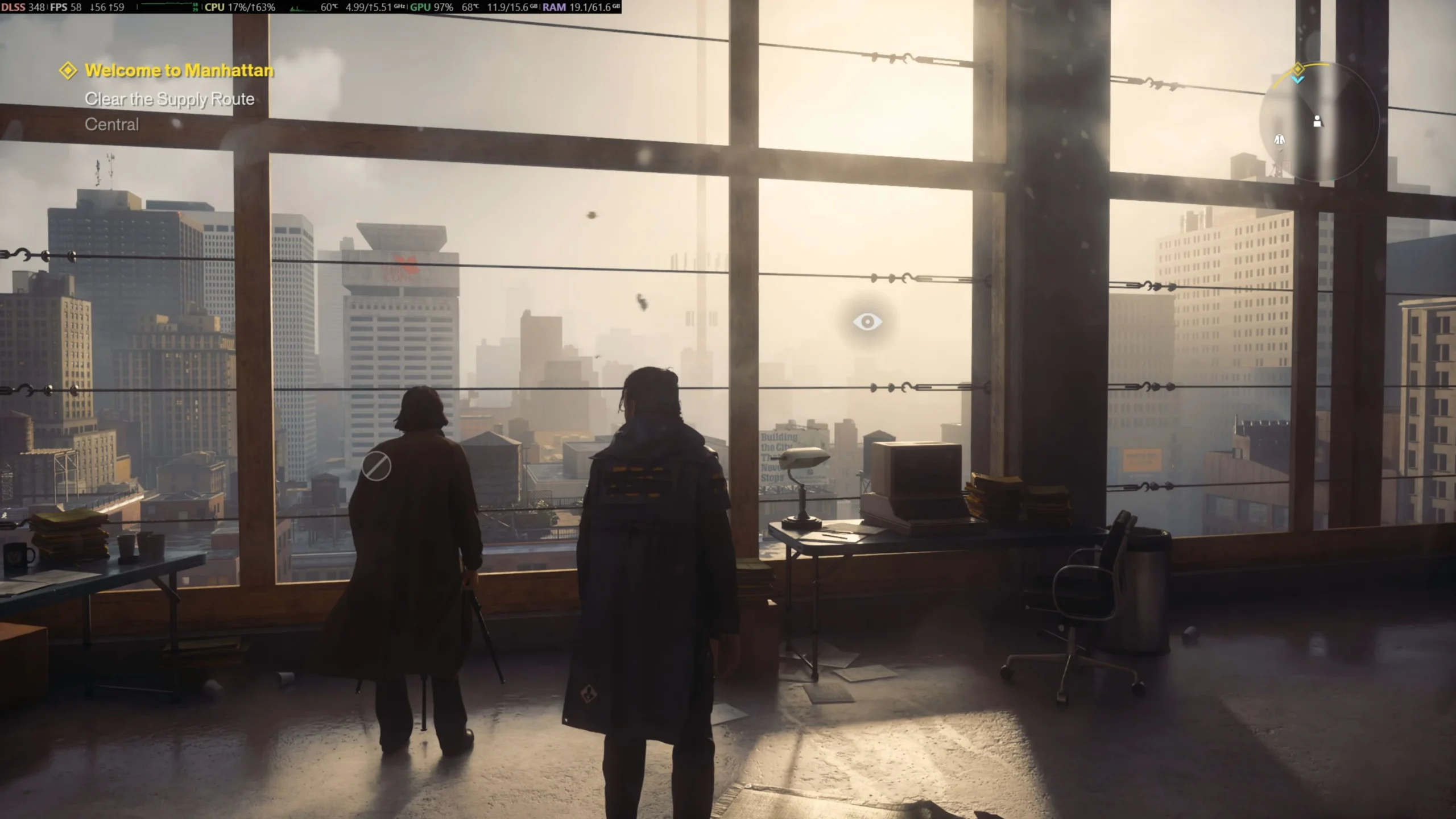
Control Resonant is a third-person action-adventure video game developed by Remedy Entertainment and the sequel to the 2019 title Control. The game shifts from the original’s third-person shooter mechanics to an up-close, melee-focused combat system, marking a major paradigm shift for the franchise and developer. It is the one of the first titles to support NVIDIA DLSS 4.5.
The game continues the supernatural saga of the Federal Bureau of Control (FBC), the Paranatural, the Hiss, Objects of Power (OoP), and Altered World Events (AWE). Set seven years after the events of the original game, Control Resonant follows Dylan Faden, the brother of former protagonist Jesse Faden, as he wakes from a coma, free of the Hiss but burdened by the mass murder he committed while possessed. The core objective: find his missing sister and save New York City from a paranatural threat. The game is scheduled for release on 24 September via Steam.
Control Resonant is a melee-focused sequel from Remedy Entertainment that replaces the original Control’s third-person shooting with an anti-gravity close-combat system, launching 24 September with NVIDIA DLSS 4.5 support.
Key Facts
AttributeValue
Game TitleControl Resonant DeveloperRemedy Entertainment Platform ReviewedPC (code provided by NVIDIA) Review GPUBlackwell RTX 50 Series NVIDIA TechnologyDLSS 4.5 (improved Ray Reconstruction, 6x Multiframe Generation) Average Frame Rate (4K, Ultra RT)More than 100 fps Release Date24 September SettingSeven years after Control (2019); New York City ProtagonistDylan Faden Core Combat SystemMelee-focused with Aberrant weapon forms Stagger Mechanic”Falter” (generated to enable QTR takedowns that replenish HP) Steam PageAvailable (store.steampowered.com/app/3669870/CONTROL_Resonant/)
How Does Control Resonant Use NVIDIA DLSS 4.5?
Control Resonant is one of the first few titles to support NVIDIA DLSS 4.5, which introduces improved Ray Reconstruction and Multiframe Generation that produces 6x more frames, up from the previous 4x generation. The technology is only available when ray tracing presets are set to Ultra, and testing on a Blackwell RTX 50 Series GPU at 4K resolution produced an average of more than 100 fps. The relationship between Remedy Entertainment and NVIDIA dates back to the original 2019 Control, which was one of the first titles to run on the first version of DLSS, followed by Alan Wake 2 supporting DLSS 4 and Frame Generation.
“The key takeaway with the new upscaler is the improved Ray Reconstruction feature and Multiframe Generation going 6x more frames, up from 4x.” — Lowyat.NET, Control Resonant Review
With DLSS 4.5 enabled at 4K with Ultra ray tracing, Control Resonant consistently generates more than 100 fps on average on a Blackwell RTX 50 Series GPU.
What Is the Story and Setting of Control Resonant?
Control Resonant takes place seven years after the events of the original game. Jesse Faden, the newly appointed Director of the FBC, has left the Oldest House to find her brother Dylan, who was experimented on by the FBC for years, became host to the Hiss, and turned into a mass murderer within the Oldest House. At the end of the first game, Jesse put Dylan into a coma; Control Resonant opens with Dylan waking up, free of the Hiss but grappling with remorse over his actions.
The game’s aesthetic retains the dark, contrasting, brutalist, dystopian atmosphere of the original Control, though with less of the dusty, hazy feel. The sequel is more open-world than its predecessor, with the developers encouraging players to explore off the beaten path, complete side quests, level up character combat effectiveness to the point of being overpowered, and then defeat the main boss of each act.
Control Resonant is set seven years after the first game in an open-world New York City, with Dylan Faden as the remorseful protagonist seeking redemption and answers about his past.
How Does the Melee Combat System Work?
Control Resonant replaces the original game’s third-person shooter mechanics with a heavily melee-focused combat system, described by the reviewer as “dizzying, anti-gravity style close combat.” Dylan wields an Aberrant, a paranatural metal that infinitely replicates itself and can take the form of different weapons, including dual blades, a massive hammer, a big axe, otherworldly nunchucks, and full-on metallic boxing gloves. Skill trees are divided into two segments: one improving Dylan’s overall combat prowess, and multiple others for each Aberrant weapon, featuring primary and secondary forms and combo finishers.
“Dylan wields what is called in-game an Aberrant: paranatural metal that infinitely replicates itself and takes on the form of different kinds of weapons.” — Lowyat.NET, Control Resonant Review
Players generate “Falter,” the game’s version of Stagger, to finish off enemies in QTR takedowns that replenish HP and keep the player in the fight. Returning powers from the first game include Levitation and Dashing, with new psychic abilities including summoning a minion that can be lobbed at enemies to explode, and Ignite, which superheats the Aberrant for additional damage. Players can reset their build for in-game points if they wish to change playstyles. The combat has a steep learning curve, with enemies attacking from all sides and requiring attention to visual and audio cues to dodge attack patterns; the first boss, called “Resonants,” requires multiple attempts to master.
Control Resonant’s melee combat uses an infinitely replicating paranatural metal weapon called an Aberrant, with skill trees, Falter stagger generation, QTR takedowns, and new psychic powers including a projectile minion and weapon superheating.
How Does Control Resonant Compare to the Original Control?
The most significant difference between Control and Control Resonant is the combat style: the original was a third-person shooter, while the sequel focuses almost entirely on melee combat with anti-gravity close-quarters fighting. The story has been simplified since the first game — the main objective is straightforward: find your sister and save New York City from a paranatural threat. The developer has also pivoted toward a deeper, traumatic, and more psychological horror aspect on a city-wide scale, similar to the direction taken with Alan Wake 2. The sequel is more open-world than its predecessor, encouraging exploration and side questing to make the player overpowered before boss encounters.
Unlike the original Control’s third-person shooting, Control Resonant is a melee-focused, more open-world sequel with a simplified story objective and a deeper psychological horror tone.
Who Is Control Resonant For?
Control Resonant is for players who enjoy fast-paced, melee-heavy action games with a steep learning curve and stylish combat variety. The game rewards players who explore open-world areas, complete side quests to overlevel, and engage with a deep skill tree system across multiple weapon forms. Fans of the original Control will recognize the brutalist aesthetic, paranatural lore, and Remedy Entertainment’s trademark psychological horror atmosphere, but should expect a completely different combat paradigm: no gunplay, with reliance on crowd control and dodge timing to survive swarms of Hiss-tainted enemies. The game is also aimed at PC gamers with Blackwell RTX 50 Series GPUs, as DLSS 4.5 — required for the 6x Multiframe Generation — is only available with Ultra ray tracing presets and delivers an average of more than 100 fps at 4K.
Control Resonant is best suited to players who prefer melee-focused action combat, open-world exploration, and Remedy’s psychological horror storytelling, especially those on RTX 50 Series GPUs who can leverage DLSS 4.5.
Common Questions
Does Control Resonant require ray tracing to be enabled to use DLSS 4.5?
Yes. Per the review, DLSS 4.5 is only available if ray tracing presets are set to Ultra. The reviewer notes that “that’s the only option available if you want to use DLSS 4.5,” meaning users must crank ray tracing to Ultra to access the technology.
What weapons can Dylan use in Control Resonant?
Dylan wields an Aberrant, a paranatural metal that infinitely replicates and shapeshifts. Weapon forms include dual blades, a massive hammer, a big axe, otherworldly nunchucks, and full-on metallic boxing gloves, each with primary and secondary forms and combo finishers in separate skill trees.
When does Control Resonant release and on what platform?
Control Resonant drops on 24 September. The review was conducted on PC using a code provided by NVIDIA, and the game has a Steam store page (app ID 3669870), confirming PC availability through Steam at launch.
Sources and Methodology
This article is based entirely on the Lowyat.NET review of Control Resonant, published at https://www.lowyat.net/2026/404733/control-resonant-review/. The review was conducted on PC with a Blackwell RTX 50 Series GPU using a game code provided by NVIDIA. The review noted the relationship between Remedy Entertainment and NVIDIA dating back to the original 2019 Control, which ran on the first version of DLSS, followed by Alan Wake 2 with DLSS 4 and Frame Generation. The DLSS 4.5 announcement referenced in the article was dated 31 March. All facts, figures, direct quotes, and release information are drawn verbatim from this single source; no additional data was synthesized or extrapolated.
This article was last updated on 20 February 2026.
Where to buy · Play-Asia
Prices in MYR Control Resonant (Multi-Language) (Cover - Asian)PS5Asia versionRelease Nov 2026PRE-ORDERRM 203.86Buy ↗
 Control ResonantXbox Series XUS versionRelease 29 Oct 2026PRE-ORDERRM 284.57Buy ↗
Affiliate links: ROCKSTARmedia may earn a commission on Play-Asia purchases at no extra cost to you. MYR prices were captured at publication and may change; shipping and SST are not included.
Related coverage
Track Malaysian Import Prices Live
Importing Japanese or Asian physical games to Malaysia? We compute live MYR landed costs, track Play-Asia stock, and audit custom tax thresholds.