Future? No Thanks! Dev Removes AI Voices and Offers Refunds
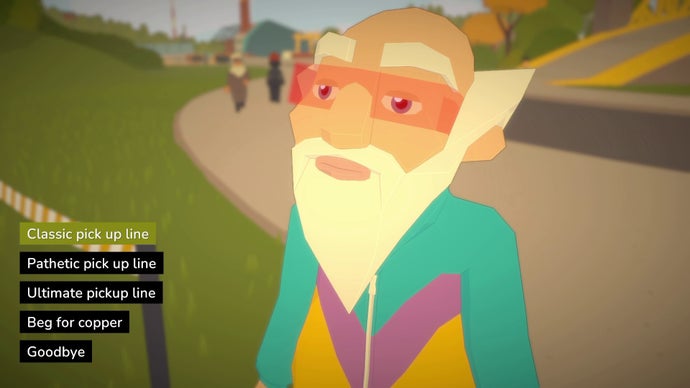
Independent developer Paolo "Molleindustria" Pedercini has deployed an urgent balance and audio patch for open-world eco-satire Future? No Thanks! on PC (Steam), stripping out controversial user-facing generative text-to-speech audio assets while offering direct refunds to affected players. The title, which satirises ecological collapse and technocratic automation, previously integrated automated voice models for two robotic dialogue roles: an automated salon translator and a talking public toilet. Following intense community blowback regarding generative artificial intelligence integration in indie development, Molleindustria removed both voice lines and amended side-gig in-game economy payouts to eliminate game progression quest soft-locks. For Malaysian and Southeast Asian indie game enthusiasts navigating PC digital storefronts, the patch highlights shifting developer transparency obligations regarding generative toolsets on Steam and portable PC platforms like the Steam Deck and ROG Ally.
Key Facts
| Attribute | Value |
| Title | Future? No Thanks! |
| Developer / Publisher | Paolo "Molleindustria" Pedercini |
| Platform | PC (Steam) |
| Patch Scope | Removal of 2 genAI voice tracks; quest economy rebalance; direct buyer refunds |
| Digital Pricing | Standard indie tier pricing (~$9.99 to $14.99 USD / ~RM45 to RM68 digital estimate) |
| Physical Release Viability | Digital exclusive on Steam; no physical cart or disc edition via Play-Asia |
| Language Support | English interface, text, and subtitles |
| Hardware Compatibility | Native Windows PC; playable on Steam Deck and ASUS ROG Ally via Proton |
Why Did the Developer Remove AI Voices and Issue Direct Refunds?
Developer Paolo Pedercini removed two text-to-speech dialogue tracks from Future? No Thanks! after players expressed intense frustration over undisclosed generative AI integration. Rather than routing disputes exclusively through Steam’s automated two-hour playtime refund window, the developer initiated personal manual reimbursements via PayPal and Venmo for players who felt misled by the title's production methods.
The dialogue tracks in question were implemented specifically to voice an automated toilet and an automated hair salon translator. Pedercini initially retained the uncanny synthetic voice generation as thematic in-universe satire. However, public backlash across social media platforms such as Bluesky forced a production reversal. Alongside the audio removal, the patch recalibrated the in-game gig economy, granting players increased currency payouts to prevent progression soft-locks across complex quest chains.
"The voices were recorded earlier this year but I decided to not use them because I thought the actual uncanny text-to-speech was funnier in that context. Alas, the new generation of text-to-speech counts as user-facing AI-generated content and that keeps creating all sorts of annoyances and bad optics."
— Paolo Pedercini, Lead Developer, Molleindustria
Molleindustria removed two generative text-to-speech dialogue tracks from Future? No Thanks! and established direct peer-to-peer refunds via PayPal and Venmo following community backlash over AI disclosure.
How Do Steam AI Policies Impact Indie Development and Player Trust?
Valve updated its Steam publishing regulations in January to permit pre-rendered generative artificial intelligence assets and live runtime generation, provided developers formally disclose these implementations during the backend submission process. The policy permits background efficiency utilities, including AI-assisted code completion and shader debugging, without mandating explicit customer-facing store page warnings.
Pedercini noted that while he previously acknowledged using tools like ChatGPT to resolve broken shader code, selective public disclosure carries severe public relations volatility among independent gaming communities. In his development post-mortem, Pedercini argued that industry colleagues frequently deploy background code assistance silently without public scrutiny due to Valve's lenient technical disclosure threshold. Consequently, the studio confirmed its subsequent standalone production will remain completely hand-coded without generative assistants.
"Steam doesn’t require disclosure of generative AI for things like code assistance so many people assume their favorite indie games don’t use AI at all just because the developers stay mum... I hate to break it to you, but you should probably assume that all the studios that have not made a public statement against all generative AI are using it for coding in some capacity."
— Paolo Pedercini, Lead Developer, Molleindustria
Valve's revised Steam store guidelines permit behind-the-scenes AI coding and shader assistance without mandating public customer-facing disclaimers on digital retail listings.
Southeast Asia & Malaysian Collector Verdict
Future? No Thanks! remains an exclusively digital release distributed via Steam, meaning physical media preservation routes across Southeast Asia do not exist. Console physical import specialists such as Play-Asia do not list boxed editions for Nintendo Switch, PlayStation 5, or Xbox Series X/S. Malaysian PC players access the game directly through Valve’s regional Ringgit-denominated storefront without import tax, landing at approximately RM45 to RM68 based on typical indie tier pricing conversions.
For handheld PC enthusiasts running the game on Steam Deck, Lenovo Legion Go, or ASUS ROG Ally, the removal of generative audio files does not compromise overall system performance or install footprints. Given the zero-physical availability, regional collectors focused on long-term software archiving must rely entirely on local digital PC backup protocols. Pedercini’s manual refund commitment via PayPal also offers Malaysian digital buyers an external consumer safety net outside Steam's rigid platform rules.
Because Future? No Thanks! lacks an Asian or Japanese physical cartridge release on Play-Asia, Southeast Asian gamers must access the patched game digitally via Steam on PC or portable handhelds.
Common Questions
Can players who exceeded Steam's two-hour play limit still receive a refund?
Yes. Developer Paolo Pedercini has pledged to issue direct peer-to-peer refunds via PayPal or Venmo for any dissatisfied player who felt betrayed by the initial inclusion of generative text-to-speech assets.
Is Future? No Thanks! available on Nintendo Switch or PlayStation 5?
No. Future? No Thanks! is currently restricted to PC via Steam. Portable gaming requires handheld PC hardware such as the Steam Deck, ASUS ROG Ally, or AYANEO devices operating via standard Proton compatibility.
What specific game content was altered in the latest update?
The update eliminated two user-facing text-to-speech dialogue tracks associated with in-game robot characters and increased monetary quest rewards from miscellaneous side gigs to stop players from experiencing questline progression soft-locks.
Sources and Methodology
This technical dispatch is based on primary developer documentation published by Paolo "Molleindustria" Pedercini, platform reporting by Rock Paper Shotgun, and official Steam distribution guidelines established by Valve Corporation. Regional pricing for Malaysia is evaluated against standard Steam regional currency bands (MYR) converted against international retail benchmarks at an approximate rate of $1.00 USD to RM4.50. Regional physical availability verification was audited against Southeast Asian and East Asian import distribution registries.
Network · latest from the sister sites
From the network
Track Malaysian Import Prices Live
Importing Japanese or Asian physical games to Malaysia? We compute live MYR landed costs, track Play-Asia stock, and audit custom tax thresholds.