PlayStation Creator Calls Physical Disc Backlash Mental
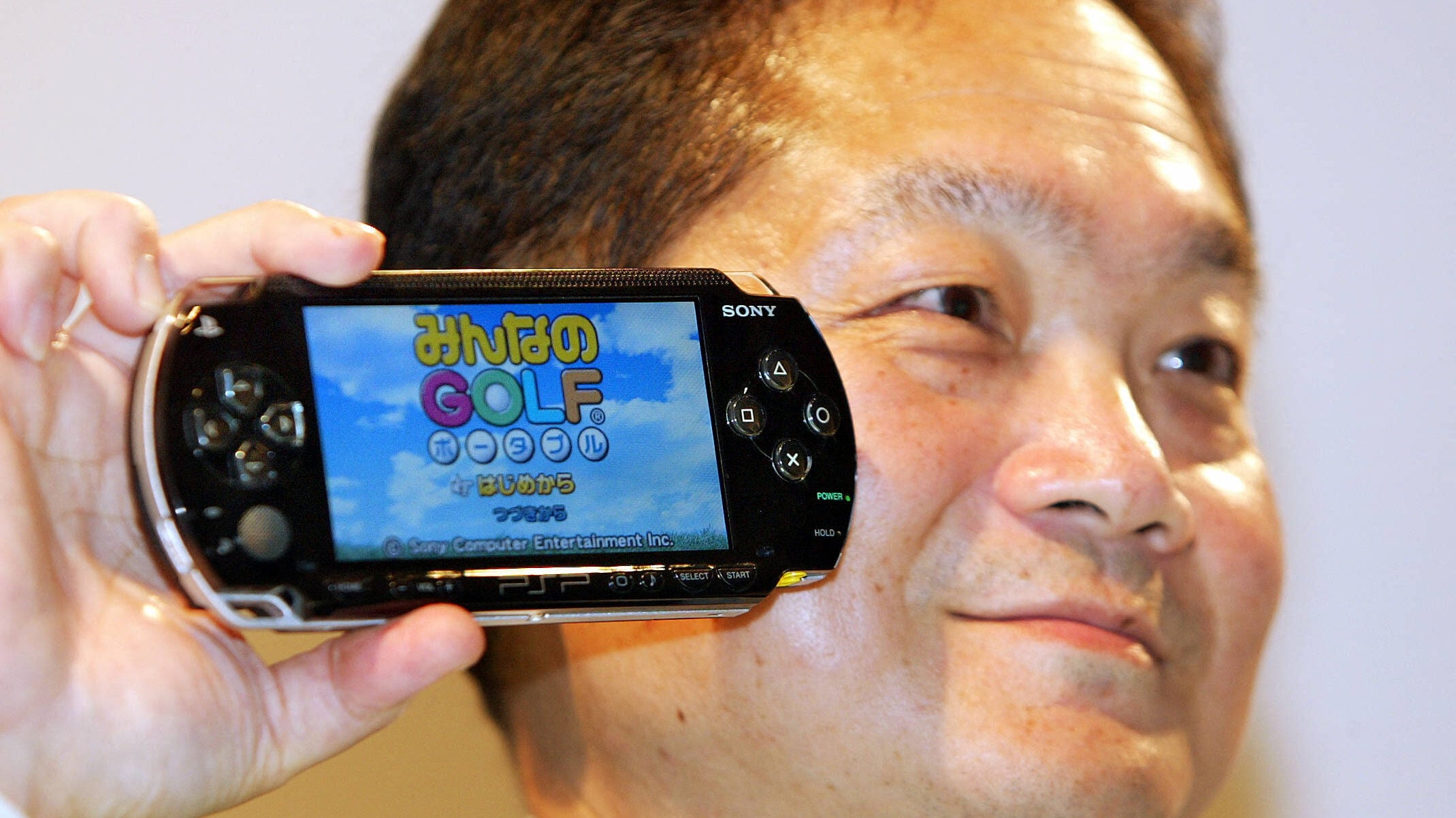
Ken Kutaragi Dismisses Physical Disc Backlash Amid Sony 2028 Digital Shift
Ken Kutaragi, the former chief executive of Sony Computer Entertainment widely recognised as the "Father of PlayStation", has addressed consumer backlash regarding the platform holder's scheduled transition away from optical disc media by 2028, categorising community resistance as a "mentality issue" rather than an economically viable stance. The engineering pioneer argued that contemporary hardware operates primarily as a networked terminal, drawing comparisons to smartphones where users readily accept non-physical content licenses. This industry trajectory directly impacts Malaysian and Southeast Asian console owners, who routinely rely on physical discs, multi-language Asian imports, and regional retail distribution channels to bypass localized PlayStation Network bandwidth bottlenecks and content delistings.
Key Facts
| Attribute | Value |
|---|---|
| Platform Architecture | PlayStation (PS1 through PS5 / PS5 Pro generation ecosystem) |
| Target Phase-Out Year | 2028 (Scheduled sunsetting of physical disc media) |
| Projected Software Pricing | $69.99 (~RM315 import conversion) / Regional PSN standard tiers |
| Primary Industry Entities | Ken Kutaragi, Sony Interactive Entertainment (SIE), VGC |
| Physical Media Status | Active through current generation; phased obsolescence targeting 2028 |
| Language Architecture | Region 3 (Southeast Asia) physical releases support English, Traditional Chinese, and Japanese |
| Regional Compatibility | Discs region-free on PS5; digital transition locks software to PSN account territories |
Why Does Ken Kutaragi Consider Physical Game Backlash an Economic Inevitability?
Ken Kutaragi attributes player opposition toward eliminating optical discs to psychological attachment rather than financial practicality, asserting that networked devices render physical game ownership economically obsolete in modern computing environments. He emphasized that as modern consoles incorporate talent from streaming and cloud platforms, the machine fundamentally shifts from a self-contained local player into a connected media client.
“I understand that physical discs have become a metaphor for ‘owning’ games. I really understand that mentality,” Kutaragi stated. “Nobody thinks [physical media] is necessary for a networked device like a smartphone, for example, because people feel that they will keep their content. So it’s a mentality... I really understand [why some people are upset], but I don’t think it’s economically reasonable. Maybe it’s a mentality issue.”
Ken Kutaragi, former CEO of Sony Computer Entertainment, speaking to VGC
Kutaragi further highlighted the internal philosophical pivot within Sony Interactive Entertainment, noting that executive recruitment from streaming operations such as Gaikai has accelerated the platform's cloud migration. This architectural shift continues despite strong retail performances for major tentpole discs, such as physical sales metrics recorded for Marvel's Wolverine. Ken Kutaragi confirmed that Sony Interactive Entertainment views modern PlayStation consoles as content terminals rather than standalone local game systems.
How Does the Planned 2028 Disc Phase-Out Compare to Competing Hardware Strategies?
Sony's commitment to terminate disc production by 2028 directly contrasts with platform strategies adopted by Nintendo for its Switch successor platform, which maintains game card distribution. While Sony leans entirely into digital storefront licensing and terminal cloud delivery, competing manufacturers continue bridging the digital divide using dedicated physical cartridges that retain native offline execution capabilities.
The elimination of optical drives also exacerbates global platform rights disputes. In the United States, Representative Ritchie Torres introduced the "Power to the Players Act" in October 2026 to legally mandate digital ownership rights and curb unilateral software revocations by publishers following storefront shutdowns. Meanwhile, technical enthusiasts have expanded optical drive utility on earlier revisions, developing disc-based PS2 emulation for jailbroken PS5 hardware with preliminary PS3 optical read support underway. Nintendo has officially verified it will not abandon physical game cards for the Switch 2 platform, preserving traditional retail ownership against Sony's 2028 digital-only timeline.
Southeast Asia & Malaysian Collector Verdict
The eradication of physical media by 2028 presents acute financial and preservation obstacles across Southeast Asia, where physical discs remain the primary method for mitigating steep digital pricing and inadequate local server infrastructure. In Malaysia, AAA titles command official prices of $69.99 (~RM315), yet physical copies retain substantial secondary market trade-in liquidity through local hobbyist shops and regional hubs, effectively halving the cost of software ownership across a console generation.
Furthermore, Malaysian and regional collectors rely on importing Region 3 (Southeast Asia) or Japanese multi-language physical releases via platforms such as Play-Asia to secure uncensored versions containing complete on-disc English localisation without PSN store-region restrictions. Shifting entirely to digital distribution locks consumers to specific PlayStation Network regions, preventing Malaysian players from accessing regional pricing variations or foreign digital catalogs. For local collectors, securing disc-capable hardware revisions remains essential before terminal digital transition mandates eliminate offline preservation entirely. Malaysian console owners lose secondary market trade-in recovery and cross-region import viability once optical disc drives are fully phased out.
Common Questions
Will PlayStation consoles completely drop disc drives by 2028?
Sony Interactive Entertainment's platform roadmap targets the elimination of physical optical discs by 2028, transitioning future console hardware revisions and software distribution exclusively toward digital storefront licensing and cloud-connected streaming infrastructures.
Do physical PlayStation discs include English support in Asian imports?
Most official physical PlayStation releases distributed across Malaysia, Singapore, and East Asia (Region 3) feature English voice tracks and subtitles alongside Traditional Chinese and Japanese text directly on the disc without requiring separate foreign storefront accounts.
Is digital game ownership legally protected if servers go offline?
Digital purchases represent non-transferable software licenses that publishers can revoke or terminate when storefront servers cease operations, prompting proposed consumer protection legislation such as the Power to the Players Act to regulate digital sales terms.
Sources and Methodology
Primary declarations, executive commentary, and industry timelines verified via Ethan Gach's 16 October 2026 report detailing Ken Kutaragi's interview with Video Games Chronicle (VGC), alongside accompanying legislative filings regarding the Power to the Players Act. Currency conversions calculated against standard retail software baselines of $69.99 converted to Malaysian Ringgit at an approximate exchange rate of 1 USD = 4.50 MYR (~RM315), cross-referenced with regional digital PSN catalog listing standards current to October 2026.
Related coverage
Network · latest from the sister sites
From the network
Track Malaysian Import Prices Live
Importing Japanese or Asian physical games to Malaysia? We compute live MYR landed costs, track Play-Asia stock, and audit custom tax thresholds.