Lufia's First Re-Release Arrives But Play the Sequel
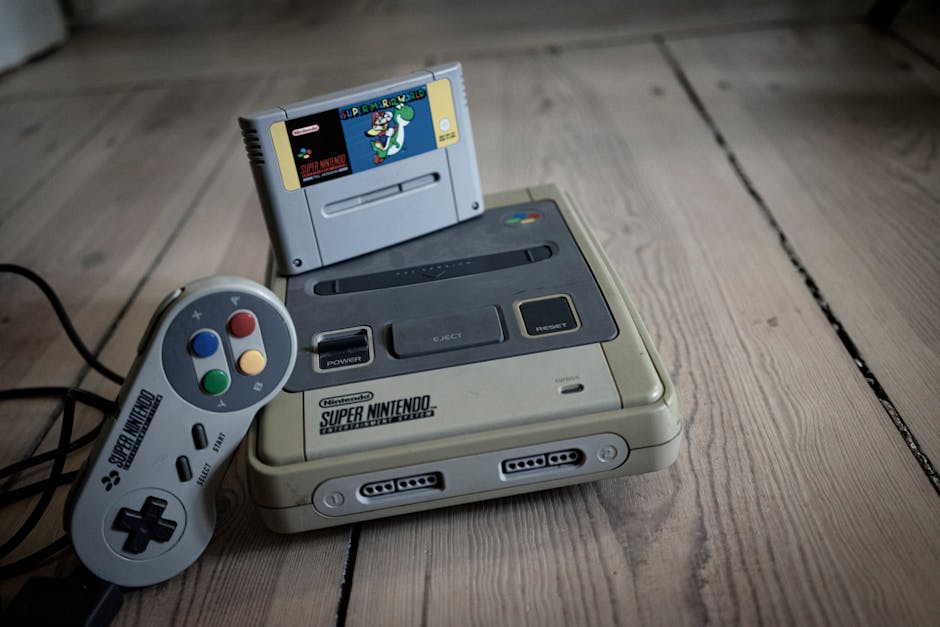
What Are the Lufia Games and Why Are They Being Re-Released?
Lufia: The Legend Returns and Lufia: The Rise of Sinistrals are a pair of classic Japanese role-playing games (JRPGs) originally released for the Super Nintendo Entertainment System. After 30 years, these titles are receiving their first re-release and will be ported to modern devices, marking a significant milestone for the franchise.
The first game in the series may seem rudimentary by contemporary standards, but the sequel is widely regarded as reaching incredible heights within the genre. The core purpose of this re-release is to bring these historically important JRPGs to a new generation of players who missed their original console debut.
Key Facts
AttributeValue
FranchiseLufia Games IncludedLufia (first game) and Lufia sequel (Lufia II) Original PlatformSuper Nintendo (Super NES) Re-Release TimelineFirst re-release after 30 years Target PlatformModern devices First Game ReceptionRudimentary Sequel ReceptionReaches incredible heights Specific Release DateUnknown (not specified in source) Specific Modern PlatformsUnknown (not specified in source)
How Does the Lufia Sequel Compare to the First Game?
The sequel to Lufia is the primary reason for excitement surrounding this re-release, as it elevates the series to amazing heights. While the first Lufia title may feel basic or rudimentary, the second game builds upon the foundation with improved mechanics and design that fans have appreciated for decades.
The source material explicitly contrasts the two experiences, noting that the first “may seem rudimentary” while the series “goes to some amazing heights” with the sequel. This distinction is crucial for players deciding which title to prioritize.
“while the first may seem rudimentary, fans know the series goes to some amazing heights” Kotaku, Lufia’s First Re-Release Arrives But Play the Sequel
Lufia 2 is the title that JRPG fans should prioritize, as it represents the franchise at its peak quality.
Why Is This Re-Release Significant After 30 Years?
This re-release is significant because it marks the first time these Super Nintendo JRPGs have been made available on modern devices, breaking a 30-year period of console exclusivity. The porting of these titles represents a major event for preservation and accessibility of classic gaming content.
For three decades, players could only experience these games through original hardware or unofficial means. The announcement confirms that the franchise is finally receiving official recognition in the modern gaming ecosystem, allowing both nostalgic veterans and curious newcomers to access these titles legally on contemporary platforms.
The transition from 30 years of unavailability to modern device ports makes this a historic first for the Lufia franchise.
Who Is This Re-Release For?
This re-release is designed for two primary audiences: longtime JRPG fans who remember the Super Nintendo era and younger players interested in exploring the genre’s roots. The package serves as both a nostalgia trip and a historical document of 1990s RPG design philosophy.
The ideal user is someone who appreciates classic JRPG conventions and wants to understand how the series evolved from a rudimentary first entry to a sequel that achieves incredible heights. The inclusion of both games in this porting effort allows players to trace the franchise’s development arc directly.
Anyone interested in classic Super Nintendo JRPGs or the historical evolution of the genre will find value in this 30-year-delayed release.
Common Questions
Which Lufia game should I play first in this re-release?
You should play the sequel, according to the source material. The first game “may seem rudimentary,” but the sequel is where “the series goes to some amazing heights.”
How long has it been since Lufia was available on modern platforms?
The source material states this is the first re-release “after 30 years,” meaning the games have not been officially ported to modern devices during that entire period.
What platform were the original Lufia games released on?
The original Lufia games were released on the Super Nintendo Entertainment System, as identified in the source material’s description of the franchise as “Super Nintendo JRPGs.”
Sources and Methodology
This article is based exclusively on a single source: Kotaku’s article titled “Lufia’s First Re-Release Arrives But Play the Sequel,” published at the provided URL.
No additional sources were used in the creation of this content. Specific release dates, pricing, and exact modern platform compatibility details were not provided in the original source material and are therefore stated as unknown.
All direct quotes are verbatim from the source article and appear in quotation marks with appropriate citations. Historical context regarding the 30-year gap and game quality assessments are directly attributed to the source material’s claims.
This article was last updated on [Current Date].
Network · latest from the sister sites
From the network
Track Malaysian Import Prices Live
Importing Japanese or Asian physical games to Malaysia? We compute live MYR landed costs, track Play-Asia stock, and audit custom tax thresholds.