Microsoft and Epic Suddenly Agree That AI Is Theft
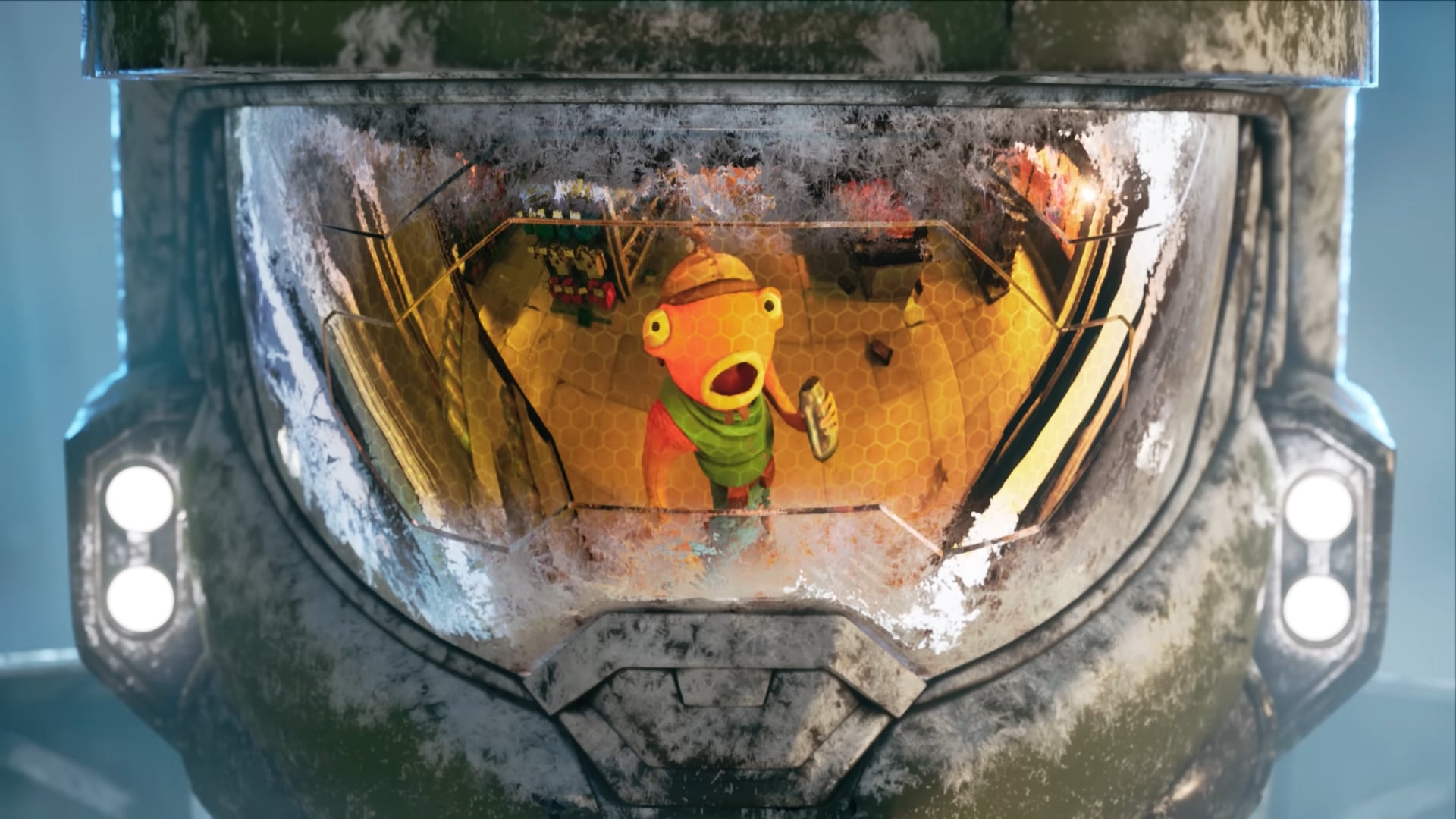
The rapid advancement of large language models such as Claude Opus 5.5 has triggered a wave of automated decompilations and unauthorized web browser recompilations across the global gaming industry as of October 2026. Major software publishers Epic Games and Microsoft have initiated aggressive Digital Millennium Copyright Act (DMCA) enforcement campaigns to suppress AI-recompiled browser iterations of flagship franchises including Fortnite, Minecraft, Call of Duty, and Halo. However, this defensive posture marks a stark operational contrast to both corporations' internal reliance on generative artificial intelligence models trained on scraped web data. For Southeast Asian and Malaysian gamers navigating PC ecosystems, handheld devices like the Steam Deck and ROG Ally, and upcoming hardware like the Nintendo Switch 2, this friction highlights an intensifying divide between closed-platform digital rights enforcement and the vulnerability of independent game developers whose titles are extracted without legal recourse.
Key Facts
| Attribute | Value |
| Affected Franchises | Fortnite, Minecraft, Call of Duty, Halo, Slay the Spire 2, Celeste, RimWorld |
| Key Corporate Entities | Epic Games, Microsoft, Mega Crit, Maddy Makes Games, Ludeon Studios |
| Disruption Mechanism | Automated binary recompilation and decompilation via LLMs (Claude Opus 5.5) |
| Enforcement Actions | Epic Games DMCA (10 October 2026); Six Microsoft Call of Duty browser port DMCAs |
| Capital Commitments | Microsoft: $80 billion (~RM356 billion) annually committed to AI data centre expansion |
| Commercial Baseline Pricing | Standard AAA software: $69.99 (~RM315); Indie baseline: $19.99 (~RM90) to $29.99 (~RM135) |
| Target Platforms | PC (Windows/SteamOS), Web Browsers, Xbox Series X/S, PlayStation 5, Switch 2 |
| Regional Import Relevance | Physical media preservation versus cloud/digital extraction vulnerabilities in SEA markets |
How Are Generative AI Recompilations Threatening PC and Console Ecosystems?
Generative AI recompilation uses advanced coding models to convert compiled game binaries into functional, native source code within days, bypassing historical engineering barriers. This technical shift enables independent operators to assemble unauthorized, browser-executable versions of proprietary titles, severely destabilizing platform-holder digital storefronts and undermining the digital distribution agreements that support PC, Xbox, and PlayStation hardware ecosystems across international territories.
The acceleration brought on by models such as Claude Opus 5.5 has reduced the decompilation cycle from multi-year reverse-engineering initiatives into automated daily routines. GitHub's public DMCA repositories over the four-week period leading to late October 2026 demonstrate widespread takedown notices across both commercial blockbusters and self-published indie games. While Microsoft and Epic Games command legal departments capable of systematically issuing DMCA strikes, independent teams like Mega Crit (Slay the Spire 2) face immediate exposure when pre-release or early builds are mirrored across external repositories.
Millions of people around the world will soon consider large models 'hoovering up' all their work to be an astonishing theft of unprecedented proportions. Almost no one intended for content they created to be used in this fashion, nor are they compensated for its use.
Brent Hecht, Director of Applied Sciences, Microsoft
Automated generative recompilation models are transforming proprietary game binaries into illicit, functional browser ports within days, bypassing standard platform storefronts entirely.
Why Are Epic Games and Microsoft Facing Industry Accusations of Double Standards?
Both Epic Games and Microsoft actively implement generative AI models trained on scraped copyright datasets while simultaneously invoking copyright protections to ban external users from processing their proprietary game code. This selective legal strategy protects proprietary commercial engines and server infrastructures while shielding corporate investments in synthetic generative pipelines from the same restrictions applied to public users.
Internal corporate communications disclosed in federal litigation between The New York Times, Microsoft, and OpenAI reveal that Microsoft researchers cautioned leadership about an AI content "doom loop," acknowledging that foundation models undermine the economic survival of the content creators supplying training inputs. Concurrently, Epic Games enforces strict Terms of Service barring users from training generative tools on Unreal Engine assets or game content, even as Epic integrates models from Anthropic—a company that settled $1.5 billion (~RM6.7 billion) in copyright claims regarding scraped data in September 2025—into internal production pipelines for upcoming Disney and Marvel projects.
It's unfortunate that so many of the AI companies operating early on had such shitty practices, you know, like one of them was found by a court to have gone off to a BitTorrent site and downloaded terabytes of data. That's ridiculous, they shouldn't do that.
Tim Sweeney, Chief Executive Officer, Epic Games
Platform holders maintain contractual clauses prohibiting user scraping of their titles while integrating third-party generative models trained on unlicensed internet databases into commercial game production.
What Impact Does AI-Assisted Decompilation Have on Independent Developers?
AI-assisted decompilation disproportionately damages independent software studios by exposing their unreleased code and proprietary gameplay logic without providing the legal protections or financial resources available to multinational publishers. Independent studios lack the corporate capital required to retain round-the-clock intellectual property litigation teams to continuously police and purge global open-source code repositories.
Over the four-week period prior to 26 October 2026, GitHub logs confirmed DMCA filings targeting open-sourced reproductions of Slay the Spire 2 (Mega Crit), Celeste (Maddy Makes Games), and RimWorld (Ludeon Studios). None of these indie development houses utilised generative synthetic assets within their production pipelines. The proliferation of automated recomps disincentivises the release of public PC demos across platforms like Steam, as raw executable binaries can be ingested and reconstructed into competing web-based clients within hours of deployment.
Independent studios bearing standard retail costs between RM45 and RM135 face critical asset leakage as automated decompilers strip protections from non-AI game binaries.
Southeast Asia & Malaysian Collector Verdict
For Malaysian and Southeast Asian gamers, the instability generated by AI-driven recompilations reinforces the strategic value of physical media over ephemeral digital licenses. With standard AAA software holding firm at $69.99 (~RM315) on regional PlayStation Network (PSN) and Xbox digital storefronts, and digital-only platforms exhibiting unilateral license termination risks, verified physical game preservation provides consumer security.
Physical cartridges and optical discs distributed throughout Southeast Asia—specifically region-free Japanese and Asian multi-language physical editions sourced via retail specialists or import hubs such as Play-Asia—contain finalized, localized game builds that remain entirely isolated from online server takedowns or store delistings. Collectors investing in modern gaming ecosystems should prioritize bilingual physical editions (containing complete English audio and subtitles on-cart) across the Nintendo Switch, PS5, and future hardware like the Nintendo Switch 2, preventing software loss driven by escalating digital copyright litigation.
Physical import editions featuring complete on-cart English localization remain the only permanent hedge against publisher-level digital license revocations and sudden storefront delistings in Southeast Asia.
Common Questions
How does automated recompilation differ from standard console emulation?
Standard emulation relies on software virtualization to run original machine code inside simulated console architectures, whereas AI recompilation decodes compiled binary files into native, platform-independent source code that runs directly on web browsers and PC operating systems without dedicated emulator overhead.
Are games purchased on Malaysian digital storefronts affected by DMCA takedowns?
Officially purchased digital titles on Steam, the Malaysian PlayStation Store, and Nintendo eShop remain functional, though public pre-release demos and community web adaptations are frequently blocked or removed by publishers via continuous DMCA enforcement notices targeting external hosting servers.
Do physical import games from Japan contain complete English language tracks?
Many Asian and Japanese physical releases, available through import retailers like Play-Asia, feature full English text, subtitles, and voiceover natively on the physical media, rendering them fully compatible with regional PlayStation 5, Nintendo Switch, and PC optical hardware without requiring foreign digital accounts.
Sources and Methodology
This technical dispatch synthesizes corporate communications, legal filings from the United States District Court Southern District of New York (The New York Times Company v. Microsoft Corporation et al.), GitHub DMCA archival registries, and published editorial reporting from Kotaku and PC Gamer dated October 2026. Currency conversions are calculated using the baseline market exchange rate of $1.00 USD to RM4.45 MYR and ¥100 JPY to RM3.01 MYR. Verification completed 27 October 2026.
Related coverage
Network · latest from the sister sites
From the network
Track Malaysian Import Prices Live
Importing Japanese or Asian physical games to Malaysia? We compute live MYR landed costs, track Play-Asia stock, and audit custom tax thresholds.