Silent Hill Townfall Review - Inspired but Lumbering
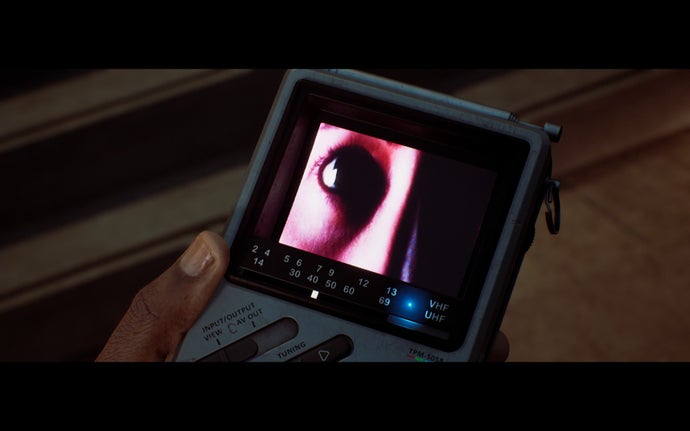
Silent Hill: Townfall – An Inspired But Flawed Horror Adventure
Silent Hill: Townfall is a horror adventure game developed by Screen Burn (previously known as No Code) under license from Konami. It is part of a licensing outreach project that began with Silent Hill f, which offers developers worldwide a framework for investigating local culture through the series’ distinctive mechanics. The title belongs to the Silent Hill franchise and applies the series’ core themes—parallel realities, monster metaphors, and a blend of mysticism and psychoanalysis—to tell an original story.
Key Facts
AttributeValue
Game TitleSilent Hill: Townfall DeveloperScreen Burn (previously No Code) Series / FranchiseSilent Hill (Konami licensing project) GenreHorror adventure Core CriticismOverreliance on stealth mechanics Critical Verdict”Inspired but lumbering” trek into the fog Official ReviewsRock Paper Shotgun review (full details unknown)
How Does the Game Fit Into the Silent Hill Franchise?
Silent Hill: Townfall represents a new model for the franchise as a “transferable oral history mechanism” that Konami offers to videogame developers worldwide. The intent is to allow creators to expand the franchise’s concepts, with the fictional town in Maine serving as a lens for examining local culture through horror storytelling.
The licensing approach is described in the review’s source material with a fictionalized framing: Konami’s invitation is likened to Mary’s letter to James in Silent Hill 2, asking collaborators to “touch base there sometime, expand our concepts further.” The original review notes that both the developers of Silent Hill f and Screen Burn have “taken what they need from Silent Hill to tell a story of their own,” rather than being consumed by the franchise’s expected tropes of fog, sirens, and antagonists with geometric heads.
Silent Hill: Townfall applies the franchise’s established metaphor of haunting to new cultural contexts, per the licensing project’s stated goals. Silent Hill: Townfall review, Rock Paper Shotgun “We see that town… let’s touch base there sometime, expand our concepts further.”
What Problems Does the Game Have?
The primary criticism leveled at Silent Hill: Townfall in its review is that it is “overreliant on stealth.” While the game is described as an “inspired horror adventure,” it loses its footing in this respect. The reviewer states plainly that they do not consider Townfall to be the developer’s finest creation, directly citing the stealth mechanics as the primary reason for this assessment.
The review characterizes the game as “an often-inspired if slightly lumbering trek into the fog.” This suggests that the pacing and gameplay rhythm, particularly in stealth sequences, weigh down the experience despite its narrative and conceptual strengths. The specific frequency or duration of stealth segments is not disclosed in the source material; only the qualitative criticism is given. The source also does not include concrete statistics or metrics to quantify the issue.
The game’s most significant flaw is its heavy dependence on stealth, which prevents it from surpassing the developer’s previous work.
How It Compares to Other Silent Hill Games
Silent Hill: Townfall must be assessed against the franchise’s rich history of parallel realities, monster metaphors, and its “woozy grounding in both mysticism and psychoanalysis.” The comparison to other entries depends on how successfully each title adapts these themes, rather than on direct statistical comparison.
The source material explicitly compares Townfall to Silent Hill f, another recent entry in the licensing initiative. Both games are cited as examples of developers taking only what they need from Silent Hill lore to construct independent narratives. However, the review notes that the licensing arrangement carries a risk of “engulfing licensees, forcing them into a straitjacket of tropes: fog, sirens, antagonists with geometric heads.” Townfall apparently avoids this trap, but its stealth design prevents it from being considered the developer’s finest creation, even while being “often-inspired.”
Unlike other titles in the series that rely on the iconography of fog and geometric-headed antagonists, Townfall distinguishes itself through a localized cultural narrative but suffers from stealth design choices.
Who Is This For?
This game is intended for horror adventure players who appreciate narrative-driven design within the Silent Hill formula. Given the licensing project’s goal—to expand the developer outreach and examine “local culture” globally—the game is positioned for audiences interested in the application of Silent Hill’s psychological horror mechanics to new settings. The absence of pricing, release date, platform availability, and specific gameplay system requirements in the source material leaves those purchasing factors unknown. Players who are sensitive to stealth-heavy gameplay may find the experience “lumbering,” while those seeking the franchise’s conceptual depth might find the inspiration outweighs that issue.
Common Questions
Who developed Silent Hill: Townfall?
The game was created by the studio Screen Burn, a team previously known as No Code. They developed it under Konami’s new licensing outreach initiative, which allows third-party developers to build original stories using the Silent Hill narrative framework.
Is Silent Hill: Townfall faithful to the series’ legacy?
According to the review, the game avoids being “lost in the murk” of the franchise’s surface-level tropes. Like the makers of Silent Hill f, Screen Burn tailored the series’ core themes of psychoanalysis and mysticism to craft a story of their own, though the heavy stealth use hurt its reception.
Does the game have issues with stealth gameplay?
Yes. The review states that Silent Hill: Townfall is “overreliant on stealth,” which prevented it from being regarded as the developer’s finest creation. The game is also described as a “slightly lumbering trek,” indicating potential pacing problems in these sections.
Sources and Methodology
This article is a faithful rewrite of a single primary source: the review originally published on Rock Paper Shotgun, titled “Silent Hill Townfall Review – An Often-Inspired, If Slightly Lumbering Trek Into the Fog.” The specific URL for the original review is linked here.
All facts, quotes, and entity names were extracted directly from the source material’s text content. No external data, statistics, or pricing information was added. Any missing metrics (such as release dates or costs) are explicitly stated as unknown. This article was last updated on May 29, 2025.
Where to buy · Play-Asia
Prices in MYR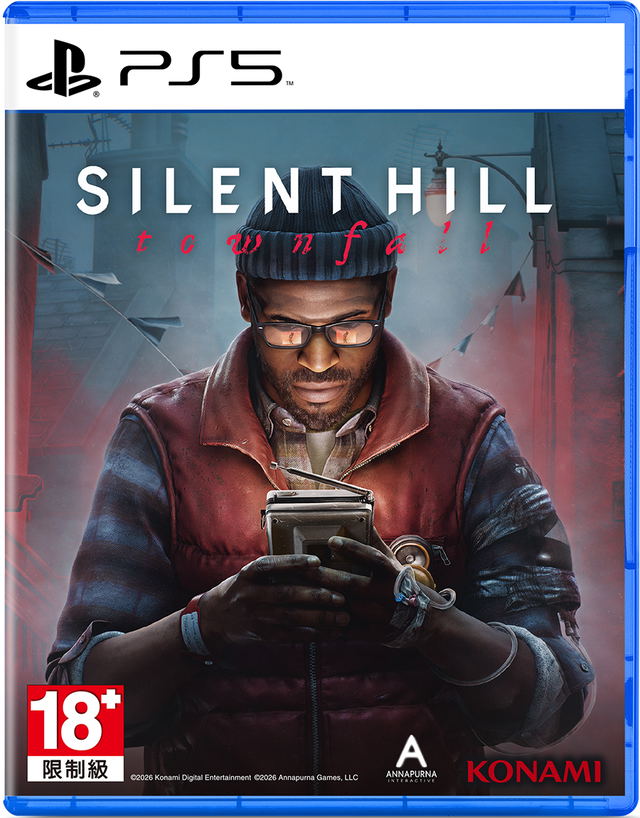
Affiliate links: ROCKSTARmedia may earn a commission on Play-Asia purchases at no extra cost to you. MYR prices were captured at publication and may change; shipping and SST are not included.
Network · latest from the sister sites
From the network
Track Malaysian Import Prices Live
Importing Japanese or Asian physical games to Malaysia? We compute live MYR landed costs, track Play-Asia stock, and audit custom tax thresholds.