Project Helix Xbox Consoles Could Cost Up to $1,800
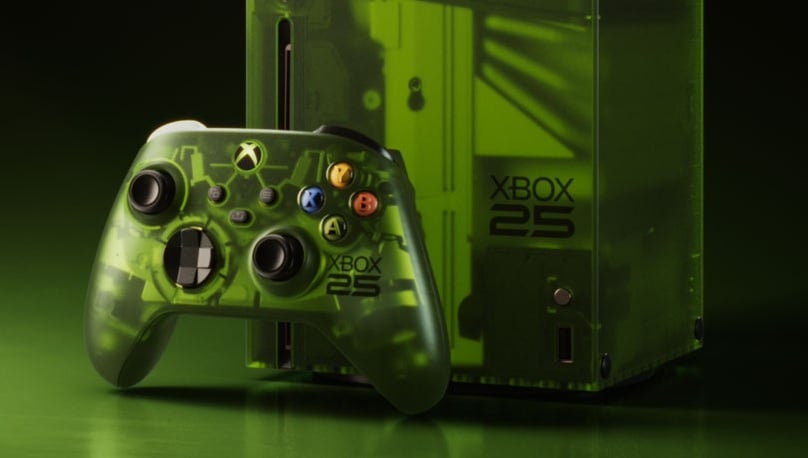
Microsoft Project Helix Next-Gen Xbox Hardware Architecture and Pricing
Project Helix is Microsoft's unannounced next-generation Xbox home console, currently projected in internal estimates to retail between $1,200 (~RM5,340) and $1,800 (~RM8,010) without corporate hardware subsidies. Facing massive memory component price increases driven by artificial intelligence infrastructure buildouts, platform leadership under Xbox CEO Asha Sharma has identified hardware affordability as a critical barrier to consumer deployment. For Malaysian and Southeast Asian console gamers accustomed to traditional mid-tier retail pricing, these unsubsidized production projections place upcoming home console hardware in direct competition with high-end enthusiast PC rigs and premium portable handhelds such as the ROG Ally and Steam Deck.
Key Facts
| Attribute | Value |
| Project Codename | Project Helix |
| Hardware Manufacturer | Microsoft |
| Unsubsidized Projected Retail Price | $1,200 to $1,800 (~RM5,340 to ~RM8,010 estimated import conversion) |
| Historical Console Subsidy Range | $100 to $200 (~RM445 to ~RM890) per console sold |
| Memory Supply Pressure Window | Projected price inflation through 2027 and 2028 |
| Primary Cost Drivers | RAM and storage component scarcity driven by enterprise AI infrastructure |
| Regional Platform Context | Southeast Asian digital storefronts (PC Game Pass / Xbox regional support) |
Why Could Project Helix Cost Between $1,200 and $1,800 at Launch?
Project Helix faces unprecedented manufacturing cost estimates between $1,200 and $1,800 because enterprise artificial intelligence data centre expansions have absorbed global memory and solid-state storage capacity. The severe supply constraints on high-bandwidth RAM and storage have driven component procurement costs to historical highs, directly eliminating traditional economies of scale for consumer gaming hardware manufacturers.
Platform economics historically relied on platform holders absorbing production losses, which were subsequently recouped through digital storefront fees, first-party software titles, and peripheral ecosystems. Former Xbox chief Phil Spencer detailed this operational model during industry discussions regarding hardware margins:
“Consoles evolved to a business model much different from phones where consoles are actually sold at a loss in the market. So when somebody goes and they buy an Xbox at their local retailer we’re subsidizing that purchase somewhere between $100 and $200, with the expectation that we will recoup that investment over time through accessory sales and storefront.”
Phil Spencer, former CEO of Microsoft Gaming
However, when standard baseline components push manufacturing bills past four figures, standard historical subsidies of $100 to $200 fail to bridge the pricing gap down to accessible mass-market consumer levels. Microsoft internal projections place the unsubsidized retail cost of next-generation Project Helix hardware between $1,200 and $1,800 due to escalating memory and storage shortages.
How Do Global Memory Constraints Impact Next-Gen Console Availability?
Global semiconductor fabrication plants report that server-grade memory allocation will maintain upward pricing pressure on consumer RAM through 2027 and 2028. This reallocation of silicon production lines has already disrupted current-generation hardware logistics, creating retail stock shortages for existing Xbox Series X and Xbox Series S inventory across global and regional distribution chains.
The manufacturing bottlenecks extend beyond Microsoft. Industry reporting indicates that competing platforms, including Sony’s future PlayStation 6, face identical baseline bill-of-materials inflation. Without rapid market expansion or higher software attachment rates, absorbing these hardware manufacturing deficits creates significant financial exposure for platform operators. Semiconductor memory manufacturers project that RAM procurement costs will continue climbing through 2027 and 2028, directly inflating baseline console production budgets.
Southeast Asia & Malaysian Collector Verdict
An import price trajectory ranging from ~RM5,340 to ~RM8,010 fundamentally changes the value proposition of console hardware across Southeast Asia, where official Xbox retail presence has historically trailed PlayStation and Nintendo distribution. At these price tiers, landed import units via international channels like Play-Asia or local grey-market vendors carry substantial customs duties and warranty limitations that exceed the landed cost of custom desktop gaming PCs or premium x86 handhelds.
Malaysian enthusiasts reliant on PC Game Pass and cloud ecosystems may find greater cost efficiency in high-performance portable devices such as the Steam Deck, ROG Ally, or a future Nintendo Switch 2, which operate on independent, dedicated silicon pipelines with lower power-to-cost profiles. At an estimated converted import cost exceeding RM5,300, an unsubsidized Project Helix machine shifts next-generation Xbox hardware from a mass-market living-room console into an enthusiast-tier import luxury.
Common Questions
What is Microsoft Project Helix?
Project Helix is the reported codename for Microsoft’s next-generation Xbox console hardware initiative, developed under Xbox CEO Asha Sharma to maintain dedicated living-room gaming hardware despite severe supply chain and component pricing challenges.
Why are next-generation console prices increasing?
Global artificial intelligence server and data centre expansions are consuming unprecedented volumes of RAM and solid-state storage, driving component procurement costs significantly higher for consumer hardware manufacturers through 2027 and 2028.
How much will Project Helix cost in Malaysian Ringgit?
Without hardware subsidies, projected retail pricing between $1,200 and $1,800 converts to an estimated import baseline of ~RM5,340 to ~RM8,010, excluding local import tariffs, distributor markups, and shipping fees.
Sources and Methodology
Data verified against reporting published by Kotaku (Ethan Gach, 20 October 2026) citing investigative industry financial disclosures from Fortune, alongside executive statements from Xbox CEO Asha Sharma and former Microsoft Gaming CEO Phil Spencer. Currency conversions reflect estimated open-market exchange rates of approximately USD 1.00 to MYR 4.45 for baseline projection benchmarks without additional logistics or local retail taxation adjustments.
Related coverage
Network · latest from the sister sites
From the network
Track Malaysian Import Prices Live
Importing Japanese or Asian physical games to Malaysia? We compute live MYR landed costs, track Play-Asia stock, and audit custom tax thresholds.