Next Xbox and PS6 Could Launch with Shocking $1,800 Price
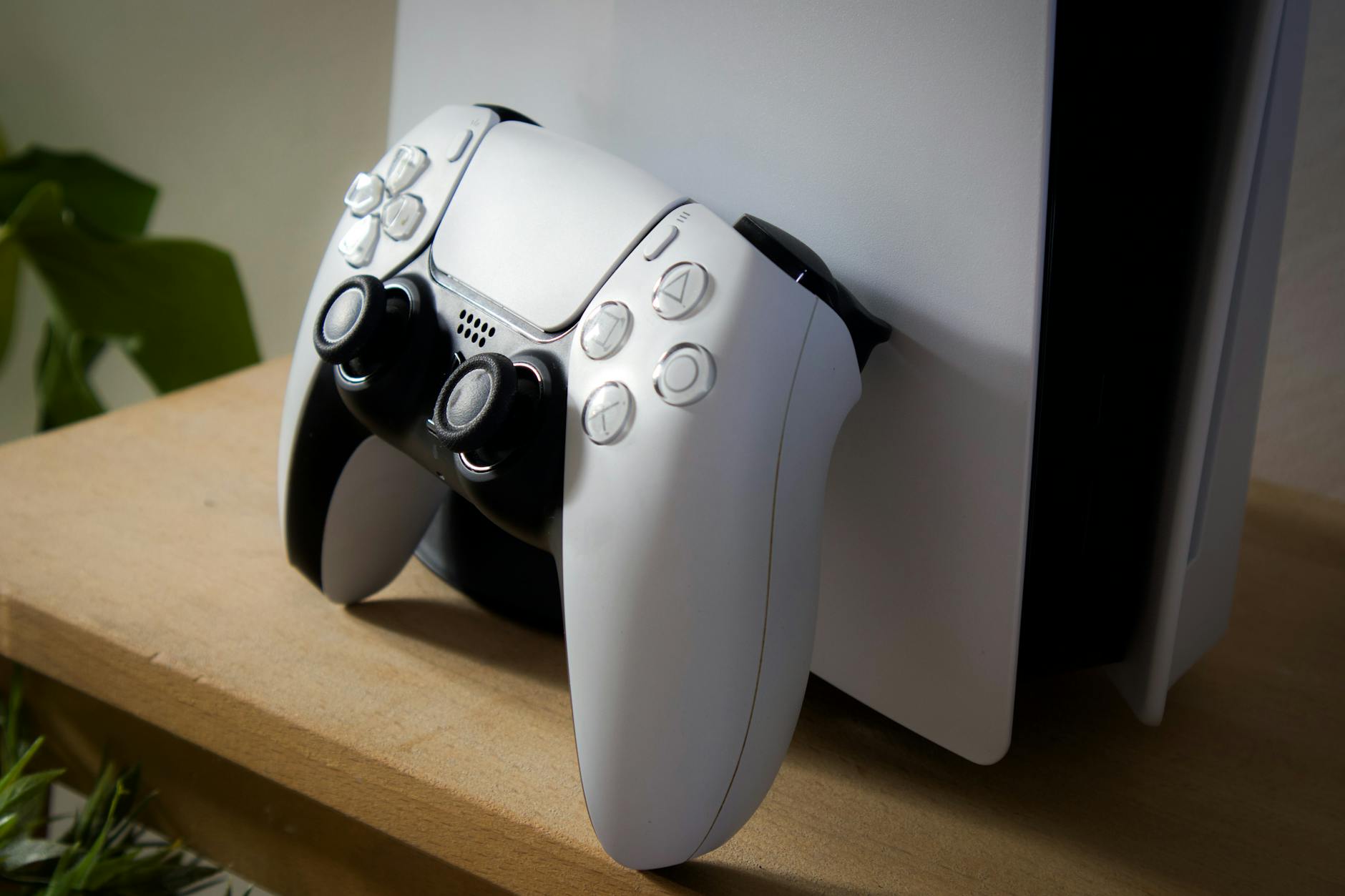
Next-generation home console development has encountered unprecedented manufacturing cost barriers, with Microsoft internally projecting its upcoming Xbox Helix hardware to retail between $1,200 (~RM5,400) and $1,800 (~RM8,100), while Sony Interactive Entertainment faces an estimated build cost exceeding $1,000 (~RM4,500) for the PlayStation 6. Targeted for a 2028 market launch, the Xbox Helix represents a high-performance PC-hybrid architecture aimed at closing the hardware deficit against Sony, which maintains an active install base of roughly 95 million PlayStation 5 systems compared to 35 million Xbox Series X|S units globally. For Malaysian and Southeast Asian gamers, these escalating component budgets signal a structural shift away from traditional subsidised hardware, accelerating dedicated handheld adoption and threatening regional physical disc import preservation.
Key Facts
The following technical audit outlines projected hardware pricing, release roadmaps, and manufacturing specifications for next-generation consoles based on verified supply chain and internal publisher data. Malaysian Ringgit conversions reflect estimated import landed costs benchmarked against the prevailing United States Dollar market rate of RM4.50.
| Attribute | Value |
| Hardware Entity | Xbox Helix (Microsoft) / PlayStation 6 (Sony Interactive Entertainment) |
| Targeted Release Window | 2028 (Next-generation home consoles); 2027 (Microsoft handheld device) |
| Projected Retail Price (USD) | Xbox Helix: $1,200 to $1,800; PlayStation 6: $1,000+ |
| Estimated Import Price (RM) | Xbox Helix: ~RM5,400 to ~RM8,100; PlayStation 6: ~RM4,500+ |
| Dedicated Memory & Storage Cost | Over $680 (~RM3,060) combined build cost for PS6 RAM and SSD silicon |
| Preceding Hardware Install Base | PlayStation 5: ~95 million units; Xbox Series X|S: ~35 million units |
| Physical Media Architecture | Xbox Helix: Disc-to-digital architecture; PS6: Scalable digital/optical architecture |
| Regional Platform Alternatives | Nintendo Switch 2, PlayStation 5 Pro, ASUS ROG Xbox Ally, Steam Deck |
Internal financial projections indicate the Xbox Helix could launch at up to $1,800 (~RM8,100), representing the highest consumer entry price in home console history.
Why Are Next-Gen PS6 and Xbox Helix Manufacturing Costs Escalating?
Next-generation console production expenses are surging due to severe semiconductor supply crunches caused by enterprise artificial intelligence data centres monopolising global fabrication lines. Silicon fabrication priority for high-bandwidth memory and enterprise-grade solid-state storage has dramatically inflated base component bills, leaving hardware manufacturers unable to absorb bill-of-materials costs through standard generational mass-production subsidies.
Supply chain projections reveal that high-speed RAM and solid-state storage alone account for over $680 (~RM3,060) of Sony's baseline manufacturing budget for the PlayStation 6. Unlike previous console transitions where optical yields and shrink nodes lowered bill-of-materials expenses over time, modern silicon wafer yields compete directly with hyperscale cloud accelerators. This economic friction forces Microsoft to engineer the Xbox Helix as an uncompromising, high-end PC-hybrid compute box, whereas Sony remains focused on dedicated console architecture optimised specifically for proprietary graphics pipelines and system-level upscaling technologies.
"Giving people more choice"
Microsoft Corporate Strategy Communication
Consumer resistance to these projected figures remains exceptionally high across core demographics. In a survey of over 4,700 core console gamers polling purchase intent for a $1,000 (~RM4,500) PlayStation 6 revision, 65% of respondents formally stated they would refuse to purchase hardware at that price tier. Enterprise artificial intelligence infrastructure demand has driven PlayStation 6 baseline memory and storage component expenses alone beyond $680 (~RM3,060).
How Will Console Pricing Alter Physical Disc Preservation and Handheld Strategy?
Prohibitive home console assembly costs are accelerating manufacturer transitions toward fully digital distribution ecosystems and dedicated handheld companion devices. Microsoft has scheduled a next-generation handheld device for release preceding its 2028 flagship box, capitalising on portable hardware partnerships while aggressively expanding its disc-to-digital infrastructure to eliminate costly physical optical drive assemblies entirely.
While Microsoft previously co-engineered the ROG Xbox Ally alongside ASUS to test portable storefront delivery, the platform holder's systematic removal of complete game builds from retail discs has drawn sharp scrutiny from physical game collectors. Conversely, Sony continues to mandate complete on-disc boot viability for major first-party titles, ensuring offline playability without mandatory day-one content downloads. However, component price surges mean both manufacturers are actively evaluating long-term smartphone-style leasing agreements, bundling hardware payments directly into multi-year PlayStation Plus and Xbox Game Pass subscription tiers to offset four-figure retail barrier entries.
Microsoft plans to deploy an ecosystem-compatible handheld device prior to the Xbox Helix launch to offer accessible hardware entry points.
Southeast Asia & Malaysian Collector Verdict
For gamers across Malaysia and Southeast Asia, four-figure console pricing makes direct grey-market hardware imports economically hazardous without domestic warranty backing. Importers securing Japanese or North American hardware variants through regional platforms such as Play-Asia face substantial customs duties and currency volatility that compound an already inflated $1,800 (~RM8,100) base valuation.
Local enthusiasts should anticipate substantial shifts toward lower-barrier alternatives:
- Handheld Ecosystem Viability: Nintendo Switch 2 and x86 handhelds like the Steam Deck and ROG Ally represent sensible performance-to-ringgit investments, especially alongside low-cost regional online access pricing.
- Physical Media Preservation: Importers must prioritise Asian multi-language physical editions for PlayStation systems, as complete on-cartridge and on-disc builds retain secondary market value far better than digital-only licences tied to shifting storefront terms.
- Cross-Generational Longevity: The PlayStation 5 and PlayStation 5 Pro will maintain sustained operational relevance across Southeast Asia, with developers supporting cross-generational scaling rather than alienating the 95-million-unit install base.
Malaysian gamers face estimated landed import costs exceeding RM8,100 for unbundled next-generation hardware lacking regional retail distributor subsidies.
Common Questions
The following technical FAQ clarifies pricing projections, release schedules, and platform migration paths for Southeast Asian console buyers evaluating the upcoming console hardware transition.
Will the Xbox Helix or PlayStation 6 launch before 2028?
No. Industry reporting places the Xbox Helix release window in 2028, with companion handheld gaming hardware launching earlier. Sony Interactive Entertainment follows an equivalent generational timeline for its PlayStation 6 home platform.
Are physical game discs supported on next-generation hardware?
Sony continues supporting full on-disc installations for major offline releases, whereas Microsoft prioritises digital-first delivery with retail packaging functioning predominantly as optical licence verification keys requiring mandatory internet downloads.
Why are next-generation consoles substantially more expensive than current models?
Surging commercial artificial intelligence demand has caused worldwide semiconductor and memory fabrication price increases, forcing Sony and Microsoft to pass elevated RAM and SSD bills of materials directly to consumers.
Consumer surveys confirm that 65% of surveyed console players categorically reject purchasing home hardware priced at or above $1,000 (~RM4,500).
Sources and Methodology
Hardware pricing intelligence, manufacturing bill-of-materials estimates, and deployment roadmaps were synthesised from supply chain dispatches published by Fortune and verified against commercial telemetry recorded by Push Square. Installed hardware base statistics benchmark 95 million PlayStation 5 units against 35 million Xbox Series systems.
Malaysian Ringgit conversions utilize a baseline market conversion rate of $1.00 USD to RM4.50, excluding local Sales and Services Tax (SST) and regional importer logistics surcharges. Component market audits verify that next-generation console hardware pricing remains subject to ongoing enterprise semiconductor supply volatility.
Related coverage
Network · latest from the sister sites
From the network
Track Malaysian Import Prices Live
Importing Japanese or Asian physical games to Malaysia? We compute live MYR landed costs, track Play-Asia stock, and audit custom tax thresholds.