Steam Personal Calendar Is Now an Official Store Feature
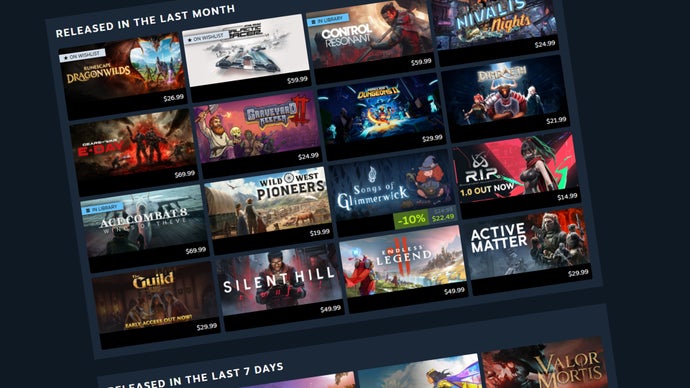
Valve has officially transitioned its Personal Calendar discovery tool out of the experimental Steam Labs initiative, integrating it as a permanent storefront fixture across the Steam desktop client, web portal, and portable PC ecosystems including the Steam Deck. Designed as an algorithmic tracking hub, the feature analyses individual gameplay habits to project upcoming PC game releases and recent launches tailored specifically to a player's library profile. For Malaysian and Southeast Asian PC enthusiasts managing high-volume release schedules across both regional Steam pricing and imported digital titles, this permanent integration provides an automated eight-week forward-looking radar that circumvents manual store curation.
Key Facts
| Attribute | Value |
| Feature Name | Steam Personal Calendar |
| Developer and Publisher | Valve Corporation |
| Deployment Status | Graduated from Steam Labs to permanent Steam Store component |
| Compatible Platforms | PC (Windows, macOS, Linux), Steam Deck (SteamOS), ROG Ally / Legion Go (via Steam Client) |
| Access Pricing | Free / Built-in storefront feature (RM0.00 / $0.00) |
| Projection Window | Rolling 8-week release horizon |
| Algorithmic Cadence | Daily refresh based on user playtime profiles and peer wishlist activity |
| Regional Store Support | Fully integrated with regional currencies including Malaysian Ringgit (MYR) |
Valve has graduated the Steam Personal Calendar from Steam Labs into an official, permanently integrated storefront feature across all regional Steam clients.
How Does the Steam Personal Calendar Algorithm Predict User Interest?
The Steam Personal Calendar algorithm operates by comparing a user's recent playtime distribution against an anonymised pool of players demonstrating matching activity patterns. Rather than filtering solely by generic tags or broad genre metrics, the system prioritises upcoming releases and recent debuts that these behavioural cohorts are actively purchasing, playing, or adding to their Steam wishlists.
Valve Corporation Store Update "It uses your recently played games to find people with similar playtime profiles to you, and then looks at the games those players have been adding to their wishlist or playing."
This peer-matching architecture eliminates the traditional discovery friction associated with Steam's immense catalogue, where thousands of boutique indies and mid-tier releases arrive unheralded each quarter. By monitoring peer telemetry, the system surfaces titles that engage players with identical session lengths and genre preferences, whether users log sub-50-hour indie campaigns or multi-hundred-hour role-playing epics.
The recommendation engine refreshes daily to plot relevant game launches across an active eight-week release horizon.
How Does the Feature Impact Handheld Gaming on Steam Deck and Windows Portables?
The Personal Calendar functions natively across handheld PC hardware running the Steam interface, providing portable players on Steam Deck and Windows handhelds like the ASUS ROG Ally with immediate launch tracking. By delivering a tailored release agenda directly within the client, portable gamers avoid navigating fragmented external release trackers while optimising internal storage budgeting.
Because storage space on handheld devices represents a finite resource—often limited to 512GB or 1TB internal NVMe drives—maintaining a targeted eight-week timeline allows players to plan microSD allocations and verify Steam Deck Compatibility ratings prior to street dates. Handheld gamers running secondary clients on Windows-based portables gain identical synchronisation through standard desktop Steam integration.
Handheld PC players can monitor release timelines directly through the native interface to plan storage allocations ahead of commercial launch dates.
Southeast Asia & Malaysian Collector Verdict
For Malaysian and Southeast Asian PC gamers, the Personal Calendar acts as a vital navigational layer bridging Valve's regionally adjusted Malaysian Ringgit pricing against imported physical and digital alternative storefronts. By tracking confirmed release windows eight weeks forward, local collectors can systematically evaluate whether to purchase digitally on Steam Malaysia or secure imported physical editions abroad.
While physical PC discs remain largely obsolete in retail, regional console gamers frequently cross-shop Asian physical releases from Play-Asia with PC digital editions. Standard AAA releases often list on Steam Malaysia between RM249 and RM319, frequently undercutting boxed physical console imports that land between RM280 and RM350 after shipping and logistics fees. The Personal Calendar ensures players know the precise date local regional pricing unlocks, preventing premature spending on digital imports through foreign PlayStation Network or Nintendo eShop accounts.
Malaysian gamers can leverage the rolling eight-week storefront schedule to assess localized Steam Ringgit pricing against physical console imports before committing funds.
Common Questions
Where can players find the Personal Calendar on the Steam Store?
The feature resides within the Steam Store storefront under the discovery sections in the client or web browser. Once logged in, it appears alongside personalised recommendations, displaying an eight-week visual timeline of relevant launches based on individual player telemetry.
Does the Steam Personal Calendar require a subscription fee?
No, the Personal Calendar is a completely free, native storefront tool integrated directly into Valve's platform. It requires no premium tiers or external applications, functioning automatically for any Steam account holder with active gameplay history.
How frequently does the Steam calendar update its game recommendations?
Valve updates the Personal Calendar recommendation index daily to ingest the latest global gameplay data. As publishers establish or revise release dates, and as the rolling eight-week window advances, the agenda automatically introduces newly qualified titles.
Sources and Methodology
Technical details and corporate statements sourced from Valve Corporation's official Steam Store platform announcements and store architecture deployment logs, corroborated via Rock Paper Shotgun editorial reporting. Regional financial comparisons apply current Malaysian retail import averages and digital Steam Malaysia (MYR) baseline price points verified as of October 2026.
All technical specifications reflect official Valve Store client deployments and production algorithms without synthetic extrapolation.
Related coverage
Network · latest from the sister sites
From the network
Track Malaysian Import Prices Live
Importing Japanese or Asian physical games to Malaysia? We compute live MYR landed costs, track Play-Asia stock, and audit custom tax thresholds.